How to Spot Fake Supplement Reviews: 7 Red Flags
Most "reviews" online aren't reviews at all — they're ads wearing a review costume. Here's how to tell the difference in under two minutes.
Learning how to spot fake supplement reviews comes down to seven checks: real cons, named ingredients and doses, no miracle language, verifiable testimonials, clear affiliate disclosure, original content, and an honest method. If a review fails three or more, don't trust its verdict.
Search for any supplement and you'll find dozens of glowing "reviews." Nearly all of them say the same thing: this product is amazing, it changed my life, buy it now. The problem? Most of those pages were written by someone who never tried the product — and who gets paid when you click buy.
That doesn't mean every positive review is fake. It means you need a filter. These seven red flags will catch most fakes fast.
1. Zero Negatives — Everything Is Perfect
No real product is perfect. Every supplement has trade-offs: price, taste, mild side effects, limited evidence, shipping restrictions, something. A review that lists only positives is not a review — it's a sales page.
What to look for: a real review has a cons list. If the "cons" section says things like "sells out fast!" or "only available online!" — those are fake cons, designed to look honest while still selling. Real cons sound like: "evidence is modest," "dosages not fully disclosed," "pricey for a single bottle."
2. No Ingredients, No Doses
This is the single biggest tell. A genuine review talks about what's actually inside the product — the ingredients, the doses, and whether those doses match what research used. A fake review skips all of that and talks about "a powerful proprietary formula" or "a breakthrough blend."
If a review never names a single ingredient, the writer either didn't read the label or is hiding the fact that the formula is weak. Either way, don't trust it. For contrast, see how our JellyThin review and NerveCalm review break down the label before giving a verdict.
3. Miracle Language — "Melts Fat Overnight"
Watch for words like: miracle, melts, burns fat while you sleep, guaranteed results, doctors hate this, secret, breakthrough, instant. Legitimate reviewers don't talk this way, because legitimate reviewers know supplements don't work like that.
The supplement industry is full of inflated claims. A trustworthy review uses measured language: "may support," "evidence is limited," "designed to help." If the page reads like a late-night infomercial, treat it like one.
4. Stock-Photo Testimonials
"Sarah from Texas lost 27 pounds in 3 weeks!" — next to a photo that also appears on ten other sites selling ten other products. Fake testimonials are one of the oldest tricks in the book, and they're still everywhere.
How to check: right-click the testimonial photo and do a reverse image search. If that "customer" is a stock model, the testimonial is invented. Real review sites don't publish testimonials with real names and fake faces — we don't publish customer testimonials at all, because we can't verify them.
5. No Affiliate Disclosure — Or a Buried One
Here's the uncomfortable truth: many review sites earn money when you buy through their links. That's legal and normal. What's not okay is hiding it.
Honest sites disclose affiliate relationships clearly — with a disclosure near the link, or at the top of the page. Fake review sites either hide the disclosure in tiny footer text, or don't disclose at all. If you can't find any disclosure on a page that's clearly pushing you to buy, assume the "review" is paid promotion.
And remember: disclosure alone doesn't make a review honest. But the absence of disclosure is a strong sign of dishonesty.
6. Copy-Paste Content Across Sites
Fake review operations often run dozens of sites with the same template. Search for a distinctive sentence from the review in quotes. If the same text appears on five other sites with only the product name swapped, you've found a content farm.
Other copy-paste tells: identical pros/cons lists across unrelated products, generic paragraphs that could apply to any supplement ("This revolutionary formula works with your body's natural processes..."), and reviews that are suspiciously the same length for every product.
7. The Reviewer Never Tried It — Or Can't Say
Some fake reviews are written by people who openly admit they've never used the product — buried in a disclaimer nobody reads. Others claim they tried it but offer zero specifics: no taste description, no timing, no mention of how long they used it, no side effects experienced.
Our position: we don't claim laboratory testing or personal trials we didn't do. Our reviews are based on label analysis, ingredient research, vendor pricing and guarantee terms, and transparency checks — and we say so openly. A site that claims it "tested" a product but can't describe a single specific detail probably didn't.
Fake vs. Real Supplement Review
When you are unsure, score the page against this table. A real review passes most rows; a fake one fails most of them.
| Check | Fake review | Real review |
|---|---|---|
| Cons | Only positives, or fake cons like "sells out fast" | Real drawbacks listed and discussed |
| Ingredients | None named — just a "proprietary formula" | Every ingredient named with its dose |
| Language | Miracle, melts, guaranteed, doctors hate this | Measured: may support, evidence is limited |
| Testimonials | Stock photos with dramatic results | None published, or fully verifiable |
| Disclosure | Hidden in tiny footer text, or absent | Clear affiliate disclosure near every link |
| Originality | Copy-pasted text across many sites | Original analysis specific to the product |
How to Spot Fake Supplement Reviews on Amazon and Social Media
Marketplaces and feeds deserve extra suspicion. On Amazon, watch for review bursts where dozens of five-star reviews appear within days, nearly identical wording across reviewers, and accounts with only one review ever posted. Phrases like "I received this product for a discount" without clear disclosure are another warning sign. On YouTube, TikTok, and Instagram, be wary of creators who read the vendor's marketing copy word for word, never mention a downside, and link a discount code in every video — that is advertising, not a review, even when it looks casual.
Cross-check any marketplace or social claim against a full review that names the label. If a product's praise lives only on the vendor's own site, with no critical voices anywhere, treat that as another red flag: independent coverage that includes criticism is a healthy sign, while a wall of identical five-star praise is not.
How to Spot Fake Supplement Reviews in 30 Seconds
Before trusting any supplement review, run through this list:
- Does it list real cons — not fake ones?
- Does it name ingredients and doses?
- Does it avoid miracle language?
- Are testimonials absent or verifiable?
- Is the affiliate relationship clearly disclosed?
- Is the content original, not copy-pasted?
- Does it describe its method honestly?
If a review fails three or more of these checks, don't trust its verdict — no matter how convincing it sounds.
What a Trustworthy Review Looks Like
To be fair, good supplement reviews do exist. They share a few traits: they discuss the label in detail, they cite evidence and its limits, they publish real pricing, they name side effects, they list pros and cons, they disclose affiliate links, and they give a verdict you could disagree with.
That's the standard we hold ourselves to on every review on this site — including our GLPro review, Neuro Sharp review, HorseWood review, and HorsePeak Gelatin review. If you ever catch us falling short, that's worth knowing — and it's exactly why we publish our full rating methodology for anyone to inspect.
Related Reviews
Put the method to the test: every review below names ingredients and doses, lists real pros and cons, and discloses affiliate relationships clearly.
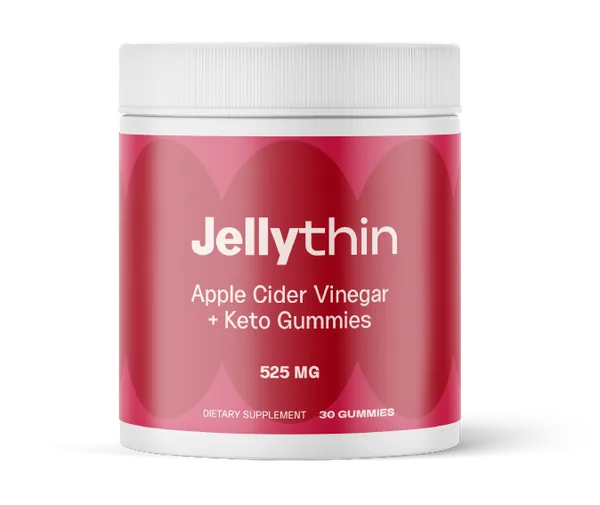
- JellyThin — Weight Loss · 4.4 / 5 — ACV + BHB jelly sticks. Simple formula, honest pricing, 60-day guarantee.
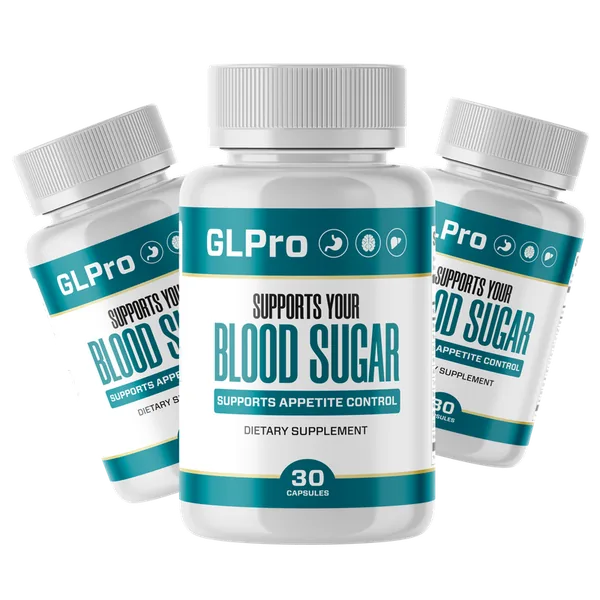
- GLPro — Blood Sugar · 4.2 / 5 — Glucose + weight support in one formula.
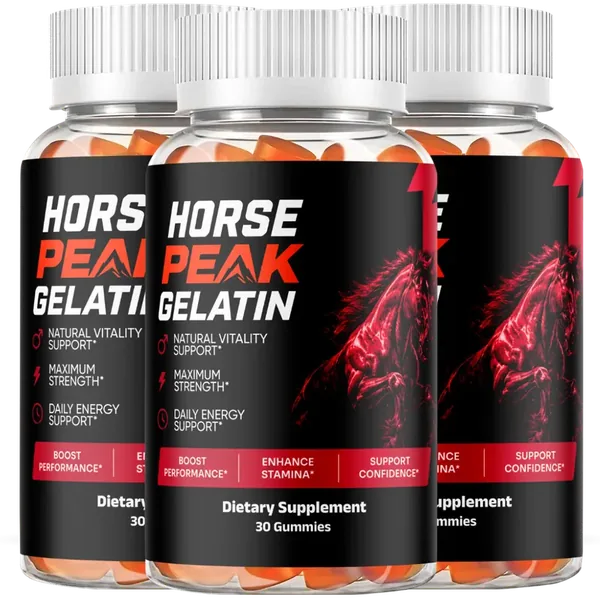
- HorsePeak Gelatin — Men's Health · 4.3 / 5 — Male vitality gummies with a fully disclosed ingredient label.
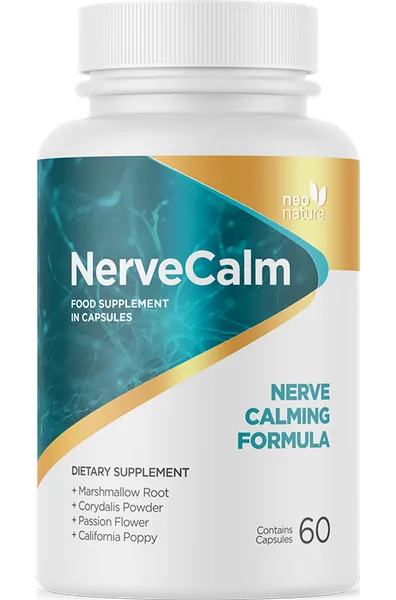
- NerveCalm — Nerve Health · 4.2 / 5 — Nerve health capsules with 4 disclosed blends & a 90-day guarantee.
- Neuro Sharp — Brain & Memory · 4.1 / 5 — Focus, memory & mental clarity with Ginkgo, Bacopa & Huperzine-A.
- HorseWood — Men's Health · 4.2 / 5 — Male vitality capsules with 9 named botanicals, 1 capsule daily.
FAQ
How can I tell if a supplement review is fake?
Look for red flags: only positive claims with zero downsides, no mention of ingredients or doses, stock-photo testimonials, miracle language like "melts fat overnight," and no affiliate disclosure. Real reviews discuss pros AND cons and cite specific label details.
Are Amazon supplement reviews trustworthy?
Some are, many aren't. Amazon has battled fake-review sellers for years. Be skeptical of products whose reviews all appeared in a short burst, use nearly identical wording, or praise results that sound too good to be true. Check the reviewer's history — one-review accounts are a warning sign.
Do review sites get paid to recommend supplements?
Many do. Affiliate marketing is legal and common — but honest sites disclose it clearly (look for an affiliate disclosure) and rate products on published criteria regardless of commission. A site that gives everything 5 stars and never criticizes anything is not reviewing, it's advertising.
What does a trustworthy supplement review include?
A trustworthy review includes: the full ingredient list with doses, a discussion of evidence (and its limits), real pricing, side effects and safety notes, pros AND cons, a clear affiliate disclosure, and a verdict you could disagree with. If any of those are missing, be cautious.
What is the biggest red flag in a supplement review?
A review with zero negatives. No real product is perfect — every supplement has trade-offs in price, evidence, taste, or side effects. A page that lists only positives, uses miracle language, and never names an ingredient or dose is almost certainly promotion, not a review.
Can I trust supplement reviews on YouTube, TikTok, or Reddit?
Treat them the same way you treat written reviews: look for real cons, named ingredients and doses, and clear disclosure of sponsorships or affiliate links. A creator who never discloses payment, reads only the vendor's marketing claims, or links to a discount code in every video is advertising, not reviewing — even on Reddit, where promotional accounts are common.
How do I check whether a testimonial photo is fake?
Right-click the photo and run a reverse image search. If the same face appears as a stock model on other sites, or as a 'customer' for unrelated products, the testimonial is invented. Trustworthy review sites avoid publishing customer testimonials they cannot verify.
🔥 Our Top-Rated Picks
JellyThin
ACV + BHB jelly sticks. Simple formula, honest pricing, 60-day guarantee.
HorsePeak Gelatin
Male vitality gummies with a fully disclosed ingredient label.
NerveCalm
Nerve health capsules with 4 disclosed blends & a 90-day guarantee.
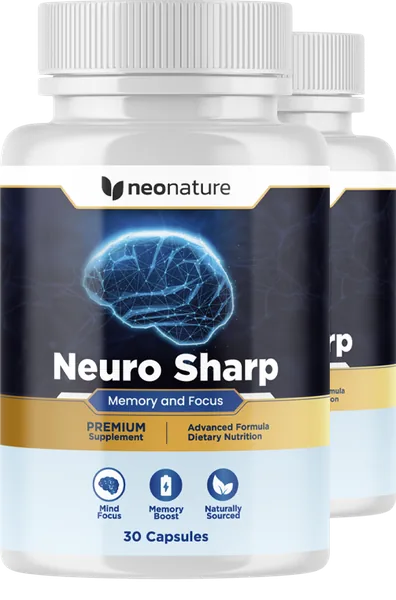
Neuro Sharp
Focus, memory & mental clarity with Ginkgo, Bacopa & Huperzine-A.
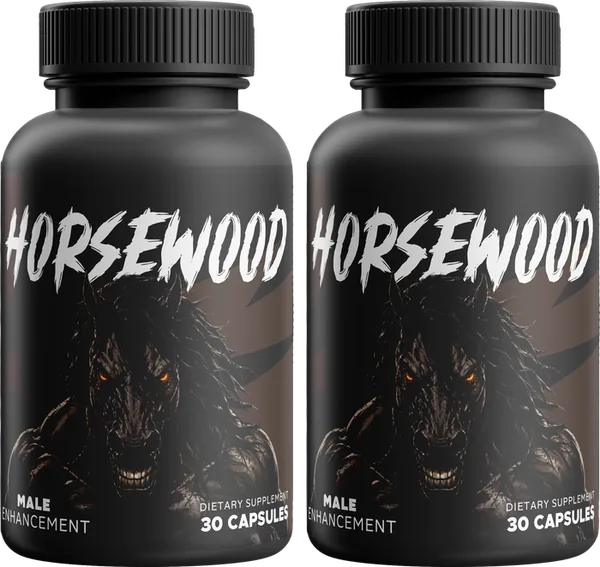
HorseWood
Male vitality capsules with 9 named botanicals, 1 capsule daily.