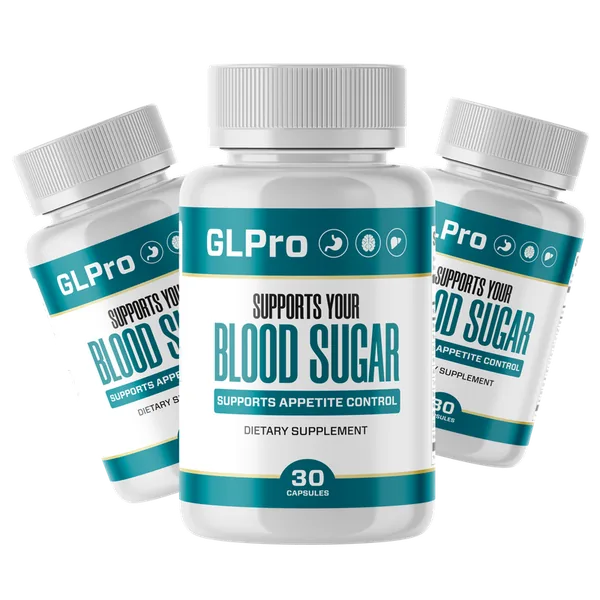
GLPro Review 2027
Marketed as "the unique solution that supports healthy glucose levels and natural weight loss." A promising dual-angle formula — with thinner public detail than our top picks.
Our Verdict: 4.2/5 — Promising, Verify Before Buying. GLPro's dual glucose + weight angle is genuinely interesting, and the vendor page is professionally presented. But public ingredient and pricing detail is thinner than our top-rated picks. We rate it on the strength of its concept and vendor presentation — and we recommend reading the full label and guarantee terms on the vendor page before ordering.
On this page
What Is GLPro?How Is It Supposed to Work?Ingredients: What We Know (and Don't)Pros & ConsWho Should / Should Not Take ItHow to Use for Best ResultsGLPro vs AlternativesSide Effects & SafetyPricingFAQWhat Is GLPro?
GLPro is a dietary supplement sold through the vendor's own website. Its stated purpose, in the vendor's own words: "the unique solution that supports healthy glucose levels and natural weight loss."
That dual positioning is what makes GLPro stand out. Most blood-sugar supplements focus only on glucose. Most weight-loss supplements ignore glucose entirely. GLPro tries to bridge the two — on the logic that blood-sugar balance and weight management are closely connected.
The product ships to the US, Australia, Canada, and the UK.
Before going further, an honesty note that shapes this entire review: GLPro is a newer product with less public track record than our top-rated picks, and the full ingredient label, per-serving dosages, and pricing were not fully published in the material we reviewed. That does not make it a scam — plenty of legitimate products sell primarily through their own page with the full label shown at checkout — but it does mean this review has to be structured differently. We will tell you exactly what is verified, explain the glucose–weight science in general terms so you can evaluate the product intelligently, walk through the ingredients that glucose-support supplements commonly use (clearly labeled as general education, not as GLPro's formula), and give you a concrete checklist of what to confirm on the vendor page before you spend anything. If a review of a partially-disclosed product claims to know its exact formula, that review is guessing. This one will not.
How Is GLPro Supposed to Work?
Based on the vendor's positioning, GLPro is designed to support two things at once:
- Healthy glucose levels — supporting the body's normal blood-sugar balance through the day.
- Natural weight loss — supporting weight management as part of a broader diet-and-activity routine.
Our honest take: the glucose–weight connection is real. Stable blood sugar can help with cravings and energy, which makes sticking to a healthy routine easier. But no supplement controls blood sugar or causes weight loss on its own. GLPro should be viewed as a support tool inside a real routine — sensible eating, regular movement, and (for anyone with a glucose condition) medical guidance.
Why glucose balance and weight are connected
To understand what a product like GLPro is even attempting, it helps to understand the glucose cycle. When you eat carbohydrates, your digestive system breaks them down into glucose, which enters the bloodstream. The pancreas releases insulin, a hormone that ushers glucose into cells to be used for energy or stored — first as glycogen in the liver and muscles, then as fat once those stores are full. After a balanced meal, blood sugar rises gently and returns to baseline. After a large, fast-digesting, high-carbohydrate meal — a big plate of white rice, a sugary drink, a pastry on an empty stomach — blood sugar spikes higher, insulin surges to match, and the resulting crash can leave you shaky, foggy, and hungry again within an hour or two. That crash is where cravings live. Many people do not overeat because they lack willpower; they overeat because a spike-and-crash cycle keeps manufacturing fresh hunger every couple of hours.
Over time, frequent large spikes can make cells less responsive to insulin — a state called insulin resistance — which means the pancreas must produce more insulin to achieve the same effect. Higher circulating insulin makes fat storage easier and fat release harder, and it is one reason weight gain and blood-sugar problems so often travel together. This is the cycle GLPro's dual positioning targets: if a supplement can help smooth out the spikes — by slowing carbohydrate absorption, improving insulin sensitivity, or reducing cravings — then both glucose readings and weight management get easier at the same time.
What a glucose-support supplement can and cannot do
Glucose-support supplements generally aim at three mechanisms. First, slowing glucose absorption — soluble fiber and certain plant compounds slow the breakdown of starches, so glucose enters the blood more gradually. Second, supporting insulin sensitivity — minerals like chromium and plant compounds like berberine are studied for their role in how cells respond to insulin. Third, reducing cravings and appetite — steadier blood sugar means fewer crashes, and fewer crashes mean fewer 4 PM vending-machine trips. Some formulas also include antioxidants that address the oxidative stress associated with chronically elevated blood sugar.
What none of these mechanisms can do is replace the fundamentals. A supplement cannot undo a diet of constant sugar spikes, cannot replace prescribed diabetes medication, and cannot produce weight loss without a calorie deficit. The realistic best case for any glucose-support supplement is modest: slightly steadier readings, slightly fewer cravings, slightly easier adherence to a healthy eating plan — compounding over weeks and months. Anyone promising dramatic blood-sugar drops or rapid weight loss from a supplement is selling fiction. If you have diabetes or prediabetes, your doctor's plan — medication if prescribed, monitoring, diet, activity — is the treatment. A supplement is, at most, a supporting actor.
How to judge GLPro's concept honestly
The dual-angle concept is genuinely smart, and it is why GLPro earns a 4.2 despite thin public detail. A product that only chases weight loss ignores the cravings engine; a product that only chases glucose ignores the reason most buyers are shopping in the first place. GLPro at least aims at the right target. But a good concept is not the same as a good formula — and without a published label, we cannot verify whether the formula matches the concept. That is the central tension of this review, and the reason our verdict is "promising, verify before buying" rather than a flat recommendation. The sections below give you the tools to resolve that tension yourself by reading the vendor label with an educated eye.
What We Know (and Don't) — Plus a Guide to Glucose-Support Ingredients
Transparency matters to us, so here's exactly where things stand:
| What | Status | Our Note |
|---|---|---|
| Vendor's stated purpose | ✅ Verified | Healthy glucose levels + natural weight loss. |
| Availability | ✅ Verified | Sold via the vendor's own website; ships to US, AU, CA, UK. |
| Full ingredient label & dosages | ⚠️ Check vendor page | Not fully published in material we reviewed. Read the label before buying. |
| Independent clinical trial data | ⚠️ Not verified | We could not independently verify trial data for the formula. |
| Pricing & guarantee terms | ⚠️ Check vendor page | Set by the vendor; confirm current terms before ordering. |
Our advice: before ordering any supplement with a partially published label, check the vendor page for the complete ingredient list, per-serving dosages, allergen info, and guarantee terms. If a vendor won't show you the full label, that's a red flag — see our guide on how to spot fake supplement reviews.
Important: the ingredients below are general education, NOT GLPro's formula
Because GLPro's full label was not published in the material we reviewed, we cannot state which ingredients it contains or at what doses. The subsections below describe the ingredients most commonly used in glucose-support supplements generally, with honest summaries of what published research says about each. Use them as a checklist: when you open the vendor page, compare GLPro's actual label against this guide. A formula whose ingredients and doses line up with the studied ranges below is a credible formula. A formula with token "fairy dust" doses, a hidden proprietary blend, or ingredients with no connection to glucose at all is not — no matter how polished the sales page looks.
1. Berberine
What it is. Berberine is a bitter yellow compound found in several plants, including barberry, goldenseal, and Oregon grape. It has centuries of use in Chinese and Ayurvedic herbal medicine, and in the last two decades it has become the most-studied natural compound for blood-sugar support.
What published research says. Berberine is the best-evidenced ingredient in this entire category. Multiple randomized trials and meta-analyses have found that berberine lowers fasting blood glucose, HbA1c, and triglycerides, with effects in the same general ballpark as the first-line diabetes drug metformin in some head-to-head comparisons. Its proposed mechanism is activation of AMPK, an enzyme that acts as a cellular energy sensor, improving insulin sensitivity and reducing glucose production in the liver. The evidence is genuinely encouraging — but it comes with caveats: most trials are small and short, berberine is poorly absorbed, and it can cause digestive side effects and interact with medications. It is a serious compound, not a casual herb.
Studied dose vs. what to look for. Clinical trials typically use 500 mg taken two to three times daily (1,000–1,500 mg/day), usually with meals. A glucose formula that lists berberine at 50 mg per serving is not delivering a studied dose. If GLPro's label lists berberine, check whether the daily total reaches the studied range — and note that berberine's digestive effects and drug interactions mean it deserves a conversation with your doctor first.
2. Chromium
What it is. Chromium is an essential trace mineral involved in carbohydrate and fat metabolism. The form used in supplements is usually chromium picolinate, which is better absorbed than other forms.
What published research says. Chromium's role is to support the action of insulin — it is a component of a molecule called chromodulin, which amplifies insulin signaling. The evidence is mixed and modest: some trials show small improvements in fasting glucose and insulin sensitivity, particularly in people who are chromium-deficient or have insulin resistance, while others show little effect. Reviews generally describe chromium as having a small, inconsistent benefit for glucose control — helpful as a supporting mineral, not a primary intervention. It is inexpensive, widely used, and well-tolerated at typical doses, which is why it appears in so many glucose formulas.
Studied dose vs. what to look for. Trials typically use 200–1,000 mcg of chromium picolinate per day. Most formulas land in the 200–400 mcg range. Doses far above 1,000 mcg/day are not better-supported and are unnecessary for a daily supplement.
3. Cinnamon
What it is. Cinnamon bark extract — usually from cassia or Ceylon cinnamon — used as both a food spice and a supplement ingredient. Ceylon ("true") cinnamon is preferred in supplements because cassia contains more coumarin, a compound that can stress the liver in large amounts.
What published research says. Cinnamon is one of the more studied food ingredients for glucose support. Meta-analyses of trials have found small-to-moderate reductions in fasting blood glucose, with less consistent effects on HbA1c. Its proposed mechanisms include slowing carbohydrate digestion and improving insulin sensitivity. The evidence is best described as promising but inconsistent — different trials use different species, preparations, and doses, which makes the results hard to compare. Cinnamon is a reasonable supporting ingredient, not a cornerstone.
Studied dose vs. what to look for. Trials typically use 1–6 grams of cinnamon powder per day, or 120–500 mg of concentrated extract. Check whether the label specifies the species (Ceylon is preferable) and whether the dose is extract or whole powder — 500 mg of extract is not the same as 500 mg of kitchen cinnamon.
4. Alpha-Lipoic Acid (ALA)
What it is. Alpha-lipoic acid is a sulfur-containing compound the body produces in small amounts, and a powerful antioxidant that is both water- and fat-soluble — a rare combination that lets it work throughout the cell.
What published research says. ALA is best studied for diabetic nerve health: intravenous ALA is an approved treatment for diabetic peripheral neuropathy in Germany, and oral ALA has shown modest benefits for nerve symptoms in several trials. Its evidence for glucose control itself is weaker — small improvements in insulin sensitivity in some studies, little effect in others. Its strongest role in a glucose formula is as an antioxidant supporting nerve and metabolic health, not as a primary glucose-lowering agent.
Studied dose vs. what to look for. Trials typically use 300–600 mg per day of ALA (the R-form, R-ALA, is the biologically active form and is better absorbed than the cheaper racemic mixture). If a label lists ALA, the form and the dose both matter.
5. Gymnema Sylvestre
What it is. Gymnema is a woody climbing plant native to India and Africa, used in Ayurvedic medicine for centuries — its Hindi name, "gurmar," means "destroyer of sugar," because chewing the leaves temporarily blocks sweet taste.
What published research says. Preliminary trials suggest gymnema may reduce sugar absorption in the gut, support insulin production, and reduce sweet cravings. The evidence is early-stage: small trials, short durations, and inconsistent preparations. It is an interesting supporting ingredient with a plausible mechanism, but the research is far thinner than berberine's. Worth having in a formula; not a reason to buy one on its own.
Studied dose vs. what to look for. Trials typically use 200–400 mg per day of standardized leaf extract. As with all herbal extracts, standardization (the percentage of active gymnemic acids) matters more than raw weight.
6. Bitter Melon
What it is. Bitter melon is a fruit used as both food and medicine across Asia, Africa, and the Caribbean. It contains compounds that mimic some of insulin's effects.
What published research says. Bitter melon has a long traditional history for blood-sugar support, and small trials have found modest reductions in fasting glucose. But the evidence is limited and inconsistent — different trials use juice, dried powder, or extract, making comparison difficult, and the effect sizes are small. It is a plausible traditional ingredient with preliminary evidence, not a proven intervention.
Studied dose vs. what to look for. There is no well-established studied dose because preparations vary so widely. If a formula includes bitter melon, treat it as a traditional supporting ingredient and weigh the formula on its better-evidenced components.
How to use this guide on the vendor page
When you open GLPro's label, ask four questions. One: are the ingredients named individually, or hidden in a proprietary blend? Two: are the per-serving doses stated, and do they reach the studied ranges above? Three: does the formula lean on well-evidenced ingredients (berberine, chromium) or on token amounts of trendy herbs? Four: does the label disclose allergens, the full "other ingredients" list, and a manufacturer? A product that answers all four cleanly deserves your consideration. A product that hides behind blends or fairy-dust doses does not — whatever its marketing claims. For a general framework, see our guide on what to look for in a supplement.
Pros & Cons
✓ What We Like
- Smart dual angle: glucose + weight in one formula — targets the cravings cycle, not just the scale
- Clear, professional vendor presentation — the positioning is stated plainly, without miracle-cure language
- Ships to 4 countries (US, AU, CA, UK) — wider availability than many direct-sale supplements
- Positioned as support — not a miracle cure, not a replacement for medical care
- Concept aligns with real physiology — glucose stability genuinely affects hunger, energy, and adherence
- Direct-sale model — buying from the vendor page avoids counterfeit marketplace stock
- Dual benefit potential — one product instead of separate glucose and weight formulas
– What Could Be Better
- Full ingredient label not widely published — buyers must verify the formula on the vendor page
- Per-serving dosages not verified — impossible to confirm studied-range dosing without the label
- No independently verified trial data we could find for the combined formula
- Pricing/guarantee terms only on the vendor page — no upfront price transparency
- Newer product with less public track record — fewer independent reviews and no long-term reputation
- Glucose-support ingredients can interact with diabetes medication — requires doctor guidance
- Dual-angle marketing can oversell — buyers with a glucose condition may mistake support for treatment
Who Should / Should Not Take It
GLPro may be worth considering if you: are focused on both glucose balance and weight management together, rather than either alone; eat a diet where blood-sugar swings and cravings are a real obstacle to consistency; want a single supplement covering both angles instead of stacking separate products; are willing to read the full vendor label and confirm the ingredients, doses, and guarantee before ordering; and understand that the product is a support tool inside a diet-and-activity routine, not a treatment. If you have prediabetes or general metabolic concerns and your doctor agrees a supplement is reasonable, a glucose-support formula with a credible label can be a sensible addition to the fundamentals.
Do NOT take GLPro without talking to your doctor first if you: have diabetes (type 1 or type 2) or take any glucose-lowering medication, including insulin — glucose-support ingredients can interact with these medications and change blood-sugar readings; are pregnant or nursing; are scheduled for surgery (some glucose and herbal ingredients affect blood sugar and bleeding risk — surgeons typically require stopping supplements beforehand); have liver or kidney disease; or take prescription medications with known supplement interactions. Children should not take glucose-support supplements.
GLPro is not the right product if: you need a treatment for diabetes or any medical condition — supplements do not treat disease, and delaying real medical care to try one is dangerous; you want a weight-loss product with a fully transparent label — our JellyThin review covers a weight formula with a disclosed two-ingredient list; or you are unwilling to verify the label and guarantee on the vendor page — with a partially disclosed product, that verification step is not optional. If your goal is in a different category entirely, see our HorsePeak Gelatin review (male vitality) or NerveCalm review (nerve support).
How to Use GLPro for Best Results
Follow the vendor label first. Serving size, timing, and daily capsule count are set by the vendor — follow the directions on the label or the vendor page, not advice from a review. The general guidance below is educational only and does not replace the label or your doctor's advice.
- Verify before you buy. Read the full label on the vendor page: every ingredient, every dose, allergens, and the "other ingredients" list. Compare doses against the studied ranges in this review. Confirm the guarantee terms and the return process. If any of that is missing, do not order.
- Take it consistently, with meals. Glucose-support ingredients are generally taken with food — both because several of them work by slowing carbohydrate absorption around meals, and because taking them on an empty stomach increases digestive upset. The same time each day, with your largest carbohydrate-containing meal, is the most common pattern. Follow the label's specific timing.
- Build the plate first. The supplement supports a glucose-friendly eating pattern; it does not replace one. The highest-impact habits are well established: fiber and protein at every meal, vegetables before starches, water instead of sugary drinks, smaller portions of refined carbohydrates, and a short walk after meals — post-meal walking is one of the most effective free tools for blunting glucose spikes.
- Track readings, not feelings. If you have a glucose condition, judge any supplement by your meter or continuous glucose monitor readings, discussed with your doctor — not by how you feel on a given day. Keep a simple log: supplement, meals, activity, readings. Patterns over weeks are informative; single readings are noise.
- Give it weeks, not days. Glucose-support ingredients act gradually. Allow at least 4–8 weeks of consistent use alongside diet and activity before judging benefit — and set a calendar reminder to reassess inside the guarantee window if the vendor offers one.
- Do not stack blindly. If you already take berberine, chromium, cinnamon, or another glucose formula, you may be doubling up on the same ingredients. Pick one product per mechanism and check total daily intake against studied ranges. Tell your doctor about every supplement you take.
- Never adjust prescribed medication on your own. If your readings change after starting a supplement, that is a conversation with your doctor — not a reason to change your own medication dose. Stopping or reducing diabetes medication without medical guidance is dangerous.
GLPro vs Alternatives
GLPro's dual glucose-plus-weight positioning means the fair comparisons are: a transparent weight-loss formula from this site, a single-ingredient berberine supplement, and a generic multi-ingredient glucose formula.
| Product | Formula | Main Angle | Transparency | Price (observed) |
|---|---|---|---|---|
| GLPro — 4.2/5 | Glucose + weight formula (full label — check vendor page) | Glucose + weight together | Partial — label on vendor page | Check vendor page |
| JellyThin — 4.4/5 | ACV + BHB salts | Weight management | High — two disclosed ingredients | ~$89 single; ~$49/bottle on 6-pack; 60-day guarantee |
| Generic berberine supplement (category) | Berberine, usually 500 mg/capsule | Glucose support | Varies — check the label | Varies by brand — check the product page |
| Generic multi-ingredient glucose formula (category) | Chromium + cinnamon + ALA + herbs, in varying doses | Glucose support | Varies — check for proprietary blends | Varies by brand — check the product page |
GLPro vs JellyThin: different tools for different jobs. JellyThin is a weight-management habit with a fully disclosed two-ingredient formula (ACV + BHB), verified pricing, and a 60-day guarantee — the more transparent product. GLPro aims at glucose balance plus weight, which is the better angle if blood-sugar swings and cravings are your main obstacle. If glucose is not a concern for you, JellyThin's transparency makes it the cleaner pick; if glucose is the core issue, GLPro's concept is the more relevant one — provided its vendor-page label holds up.
GLPro vs a single-ingredient berberine supplement: berberine alone is the best-evidenced glucose-support ingredient, and a standalone berberine product lets you control the dose precisely (typically 500 mg, two to three times daily in trials). The trade-off is that you get one mechanism instead of several, and you must manage berberine's digestive effects and interactions yourself. GLPro's appeal is convenience — several mechanisms in one product — but only if its berberine dose (if it contains berberine at all) reaches a meaningful level. If the label shows a token dose, a standalone product may deliver more of the active ingredient for less money.
GLPro vs a generic multi-ingredient glucose formula: this is the closest head-to-head, and the deciding factors are label transparency, dose adequacy, and price. Many generic glucose formulas hide behind proprietary blends or sprinkle in fairy-dust doses of trendy herbs. Compare labels ingredient by ingredient against the studied ranges in this review, check whether the vendor publishes a guarantee, and compare the monthly cost at the label's recommended serving. The product with named ingredients at studied doses and a real guarantee wins — whether that is GLPro or a competitor depends on what the vendor page actually shows. For a general framework for this kind of comparison, see our guide on what to look for in a supplement.
Side Effects & Safety
The vendor page does not publish a full side-effect list in material we reviewed. That is not unusual for supplements — but it means extra caution is warranted, especially for a product in the glucose category.
General side effects of glucose-support ingredients. Berberine commonly causes digestive upset — cramping, diarrhea, constipation, or gas — especially at higher doses or when started abruptly. Cinnamon in large amounts can cause mouth irritation and, with cassia cinnamon, liver stress from coumarin. ALA can cause nausea, stomach upset, and skin rash in some people. Gymnema and bitter melon can cause digestive discomfort and may lower blood sugar. Chromium is generally well tolerated at typical doses. None of this is a list of GLPro's side effects — GLPro's specific side-effect profile depends on its actual formula, which we could not verify — but it is the realistic range of what to watch for with products in this category.
Interactions — the critical section. As with any supplement: read the complete label on the vendor page and talk to your doctor before starting — especially if you have diabetes, take glucose-lowering medication, are pregnant, or are nursing. Blood-sugar supplements can interact with diabetes medication, so medical guidance is essential, not optional. The core risk is additive blood-sugar lowering: a supplement plus medication can push glucose lower than either would alone, producing hypoglycemia — shakiness, sweating, confusion, and in severe cases loss of consciousness. Berberine also interacts with a range of medications through liver enzymes (it inhibits CYP3A4 and P-glycoprotein), which can raise blood levels of certain drugs, including some statins, immunosuppressants, and blood-pressure medications. Anyone taking prescription medication should have a pharmacist or doctor check the formula for interactions before starting.
Surgery and pregnancy. If you are scheduled for surgery, tell your surgeon about every supplement you take — many surgeons require stopping supplements one to two weeks beforehand because of blood-sugar and bleeding effects. If you are pregnant, nursing, or trying to conceive, do not take glucose-support supplements without explicit medical approval.
Buying safely. GLPro is sold through the vendor's own website. Third-party marketplace listings are where counterfeits and expired stock appear. Buying direct is the only way to be sure you receive the genuine product and any guarantee terms the vendor offers. For a broader safety checklist, see our supplement safety guide.
This page is not medical advice. GLPro is a dietary supplement, not a diabetes treatment. Never delay or replace prescribed medical care to try a supplement, and never change your medication dose without your doctor's guidance.
GLPro Pricing
Pricing is set by the vendor and can change. We do not publish prices we cannot verify, so check the vendor page for current pricing, bundle deals, and guarantee terms before ordering.
Our Final Verdict
4.2/5 — Promising, Verify Before Buying. GLPro's glucose + weight concept is one of the more interesting angles in the category. The rating reflects a strong concept and professional presentation, held back by thinner public transparency than our top picks. If you buy, do it with eyes open: read the full label, confirm the guarantee, and talk to your doctor first.
GLPro FAQ
What is GLPro?
GLPro is a dietary supplement marketed as a solution to support healthy glucose levels and natural weight loss. It is sold through the vendor's own website and ships to the US, Australia, Canada, and the UK.
Does GLPro work?
GLPro is designed to support healthy glucose levels and weight management as part of a broader routine. No supplement works on its own — results depend on diet, activity, and individual factors. We could not independently verify clinical trial data for the formula, so treat vendor claims with the usual caution.
What are the side effects of GLPro?
The vendor page does not publish a full side-effect list in material we reviewed. As with any supplement, read the complete label on the vendor page and talk to your doctor before starting — especially if you have diabetes, take glucose-lowering medication, are pregnant, or are nursing. Glucose-support ingredients can interact with diabetes medication, so medical guidance is essential.
Where can I buy GLPro?
GLPro is sold through the vendor's own website. Buying direct is the only way to be sure you receive the genuine product and any guarantee terms the vendor offers.
How much does GLPro cost?
Pricing is set by the vendor and can change. Check the vendor page for current pricing, bundle deals, and guarantee terms before ordering.
What ingredients are in GLPro?
The full ingredient label and per-serving dosages were not fully published in the material we reviewed. Do not assume GLPro contains any specific ingredient — check the complete label on the vendor page before buying. Our review explains the ingredients commonly used in glucose-support supplements (such as berberine, chromium, cinnamon, and alpha-lipoic acid) so you can evaluate the label once you see it.
Is GLPro safe for people with diabetes?
Anyone with diabetes should talk to their doctor before taking any glucose-support supplement. Supplements that affect blood sugar can interact with diabetes medication and may change blood-sugar readings. GLPro is a dietary supplement, not a diabetes treatment, and it does not replace prescribed medication, blood-sugar monitoring, or medical care. This page is not medical advice.
How long does GLPro take to work?
There is no guaranteed timeline. Supplements that support glucose balance act gradually, over weeks of consistent use alongside sensible eating and regular movement — not overnight. If you have a glucose condition, track your readings with your doctor's guidance rather than judging by how you feel on any single day.
Is GLPro better than JellyThin?
They target different goals. GLPro is positioned around healthy glucose levels plus natural weight loss. JellyThin is a weight-management supplement built on apple cider vinegar and BHB salts with a fully disclosed two-ingredient formula. If glucose balance is your primary concern, GLPro's angle may fit better; if you want a transparent weight-loss formula, JellyThin is the more transparent pick. Read both reviews before deciding.
Does GLPro have a money-back guarantee?
Guarantee terms are set by the vendor and were not fully published in the material we reviewed. Check the vendor page for current guarantee terms, including the return window and how to request a refund, before ordering.
You May Also Like
JellyThin
ACV + BHB jelly sticks. Simple formula, honest pricing, 60-day guarantee.
HorsePeak Gelatin
Male vitality gummies with a fully disclosed ingredient label.