Supplement Safety Guide: What to Check Before You Take Anything
Supplements aren't tested like medicines. That makes your own due diligence the safety net. Here's the checklist that actually protects you.
This supplement safety guide boils down to six checks: talk to your doctor, read the full label, check drug interactions, look for third-party testing, sanity-check the dose, and buy from trusted sources. Never start a supplement on marketing claims alone.
Here's a fact most supplement marketing hopes you never learn: in the United States, dietary supplements are not evaluated by the FDA for safety or effectiveness before they go on sale. Unlike prescription drugs, which must prove they're safe and effective before approval, supplements reach the market first — and regulators step in only if problems surface afterward.
That doesn't mean all supplements are dangerous. Most are fine. But it does mean the safety burden falls on you: the buyer. This guide gives you the exact checks to run before any supplement goes in your body.
1. Talk to Your Doctor First
This is the single most important step, and the one people skip most. A two-minute conversation with your doctor can catch interactions and risks you'd never spot on your own. This matters most if you:
- Take any prescription medication
- Have a chronic condition (diabetes, heart disease, liver or kidney issues, high blood pressure)
- Are pregnant, nursing, or trying to conceive
- Are scheduled for surgery
- Take multiple supplements at once
Be honest about everything you take — including "just a vitamin" or "just a herbal tea." Doctors aren't there to judge; they're there to catch interactions. Bring the product label or a photo of it to the appointment.
2. Read the Full Label
Not the front of the bottle — the Supplement Facts panel on the back, plus the warnings section. Check for:
- Serving size and servings per container — a "30-day supply" that requires 3 pills a day is a 10-day supply.
- Every ingredient and its dose — if the label hides doses behind a "proprietary blend," you can't judge safety or value.
- Allergens — soy, dairy, gluten, shellfish, tree nuts, and other common allergens must be declared.
- Warnings — legitimate products carry warnings for pregnancy, medication interactions, and age limits. A label with zero warnings for a potent formula is itself a warning sign.
- Manufacturer info — a real company name, address, and contact method. No contact info? Walk away.
3. Check for Drug Interactions
Supplements can interact with medications in serious ways. A few well-known examples:
- St. John's Wort — affects how the body processes many prescription drugs, including antidepressants, birth control, and blood thinners.
- Blood-flow ingredients (L-Arginine, ginkgo, high-dose fish oil) — can interact with blood thinners and blood pressure medication.
- Blood-sugar supplements — can compound the effect of diabetes medication, risking low blood sugar.
- Vitamin K — can interfere with warfarin.
- Calcium and iron — can block absorption of certain antibiotics and thyroid medication if taken at the same time.
This list is not exhaustive. The rule is simple: any supplement + any medication = ask your doctor or pharmacist first. Pharmacists are an underused resource here — they can check interactions in minutes.
4. Look for Third-Party Testing
Because the FDA doesn't pre-test supplements, independent verification is the next best thing. Third-party testing means an outside lab confirmed that the product contains what the label claims, in the stated amounts, without harmful contaminants like heavy metals or bacteria.
Recognized testing programs include USP Verified, NSF/ANSI 173, and ConsumerLab. A brand that publishes actual test reports is far more credible than one that just says "lab tested" with no evidence.
Be aware: third-party testing is voluntary, and many legitimate small brands don't have it. Its absence isn't proof a product is bad — but its presence is meaningful evidence a product is good.
5. Sanity-Check the Dose
More is not better with supplements. "Mega-dose" marketing is common, and excessive doses of even familiar nutrients can cause harm — vitamin A, vitamin D, iron, and niacin all have well-documented toxicity at high doses.
Ask two questions: (1) Is this dose in line with what published research used? (2) Is it anywhere near the tolerable upper intake level? If a product's dose is 10x the amount used in studies, that's not "extra strength" — that's a red flag.
6. Buy From Trusted Sources
Counterfeit supplements are a real problem, especially on marketplaces and through random resellers. Counterfeits can contain the wrong ingredients, the wrong doses, or contaminants.
The safest route: buy from the vendor's own website or an authorized retailer. Avoid deep-discount listings from unknown sellers, products with broken seals, and anything with packaging that looks off. If the price seems too good to be true, it usually is. If you want to see these checks applied to a real product, start with our GLPro review or Neuro Sharp review.
Quick reference — run every product through this table before you buy:
| Safety check | Pass | Fail |
|---|---|---|
| Doctor consulted | You discussed it, including all medications | Skipped, or doctor unaware of the product |
| Label fully read | Every ingredient, dose, allergen, and warning checked | Only the front of the bottle read |
| Interactions checked | Doctor or pharmacist confirmed no conflicts | Assumed safe because it is "natural" |
| Third-party testing | USP, NSF/ANSI, or ConsumerLab verification | Only a bare "lab tested" claim, no evidence |
| Dose sanity | Dose in line with published research and below upper limits | Mega-dose far above studied amounts |
| Trusted source | Vendor website or authorized retailer | Random reseller or deep-discount listing |
Supplement Safety Guide: Red Flags That Should Stop You Cold
Do not buy a supplement if you see any of these:
- Claims to cure, treat, or prevent a disease (illegal for supplements — and a sign the seller doesn't follow rules)
- "Miracle," "secret," "doctors hate this," or "guaranteed results" language
- No ingredient list or a fully hidden "proprietary blend"
- No company name, address, or contact info
- Testimonials with stock photos and unbelievable results
- Pressure tactics: fake countdown timers, "only 3 left" claims that never change
Supplement Safety Guide: What to Do If Something Feels Wrong
If a supplement makes you feel unwell: stop taking it and talk to your doctor, especially if symptoms are severe or persistent. Keep the product and packaging (the lot number matters). You can also report serious reactions to the FDA's Safety Reporting Portal — reports like yours are how unsafe products get pulled.
And remember: "natural" does not mean "safe." Hemlock is natural. The safety of a supplement comes from its ingredients, doses, manufacturing quality, and your individual health — not from the word on the label.
Supplement Safety Guide: Who Should Be Extra Careful?
Some people face higher risk from supplements and should be especially careful:
- People taking prescription medication — interactions are the most common serious supplement risk, and they are easy to miss without a doctor or pharmacist checking.
- People with chronic conditions — diabetes, heart, liver, or kidney conditions can change how a supplement affects you.
- People who are pregnant or nursing — many ingredients have no safety data for pregnancy, so the default is to avoid unless your doctor approves.
- People scheduled for surgery — some ingredients affect bleeding or anesthesia; tell your surgeon about everything you take.
- People stacking several supplements — overlapping ingredients can silently push your total dose too high.
If you are in any of these groups, the safe routine is simple: keep a written list of everything you take, bring it to every appointment, start only one new product at a time, and note how you feel for the first two weeks. One change at a time is how you tell which product caused a reaction — and this is not medical advice; talk to your doctor about your own situation.
Related Reviews
Safety checks are only useful when a review shows its work. Each review below discloses the label, the vendor terms, and the affiliate relationship.
- JellyThin — Weight Loss · 4.4 / 5 — ACV + BHB jelly sticks. Simple formula, honest pricing, 60-day guarantee.
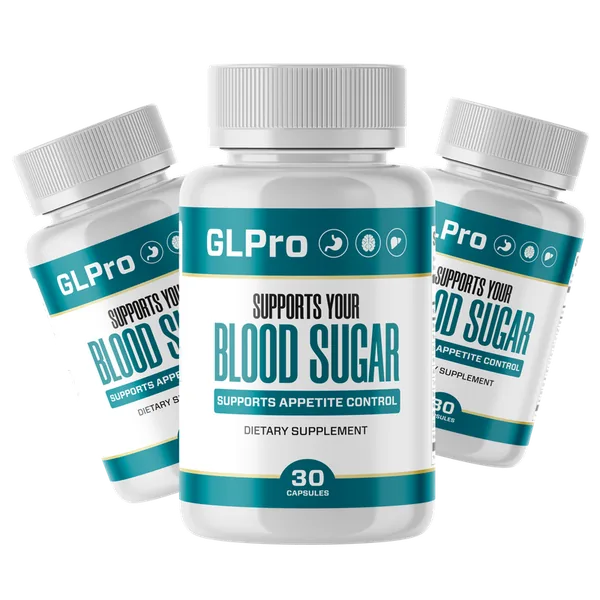
- GLPro — Blood Sugar · 4.2 / 5 — Glucose + weight support in one formula.
- HorsePeak Gelatin — Men's Health · 4.3 / 5 — Male vitality gummies with a fully disclosed ingredient label.
- NerveCalm — Nerve Health · 4.2 / 5 — Nerve health capsules with 4 disclosed blends & a 90-day guarantee.
- Neuro Sharp — Brain & Memory · 4.1 / 5 — Focus, memory & mental clarity with Ginkgo, Bacopa & Huperzine-A.
- HorseWood — Men's Health · 4.2 / 5 — Male vitality capsules with 9 named botanicals, 1 capsule daily.
FAQ
Are dietary supplements regulated by the FDA?
Supplements are regulated under the Dietary Supplement Health and Education Act (DSHEA) of 1994. Unlike prescription drugs, supplements are NOT evaluated by the FDA for safety or effectiveness before they go on sale. The FDA can act against unsafe products after they reach the market, but the initial safety responsibility sits with the manufacturer.
What is third-party testing for supplements?
Third-party testing means an independent lab verified that the product contains what the label claims, in the stated amounts, without harmful contaminants. Look for seals from USP, NSF/ANSI, or ConsumerLab. A brand that publishes actual test reports is more trustworthy than one that just says 'lab tested.'
Can supplements interact with medications?
Yes — many can. For example, St. John's Wort affects many prescription drugs, blood-flow ingredients can interact with blood thinners, and blood-sugar supplements can interact with diabetes medication. Always tell your doctor about every supplement you take, just as you would a prescription.
What should I do if a supplement makes me feel unwell?
Stop taking it and talk to your doctor, especially if symptoms are severe or persistent. You can also report serious reactions to the FDA's Safety Reporting Portal. Keep the product and its packaging so the lot number is available.
Is it safe to take multiple supplements at once?
It can be, but stacking increases the risk of duplicate ingredients and interactions — for example, two products that both contain the same vitamin or herbal ingredient can push your total dose too high. Tell your doctor about everything you take, check labels for overlap, and start one new product at a time so you can tell which one caused any reaction.
What does "proprietary blend" mean for safety?
A proprietary blend lists a group of ingredients with only a total weight, not individual doses. That makes safety checks impossible: you cannot compare the dose to studied amounts, check upper limits, or judge interaction risk. We treat hidden doses as a safety red flag — a trustworthy product lists every ingredient with its dose.
Are "natural" supplements always safe?
No. 'Natural' describes where an ingredient comes from, not how safe it is at a given dose — many potent substances are natural. Judge a supplement by its ingredients, doses, manufacturing quality, and your own health, not by the word on the label. When in doubt, talk to your doctor.
🔥 Our Top-Rated Picks
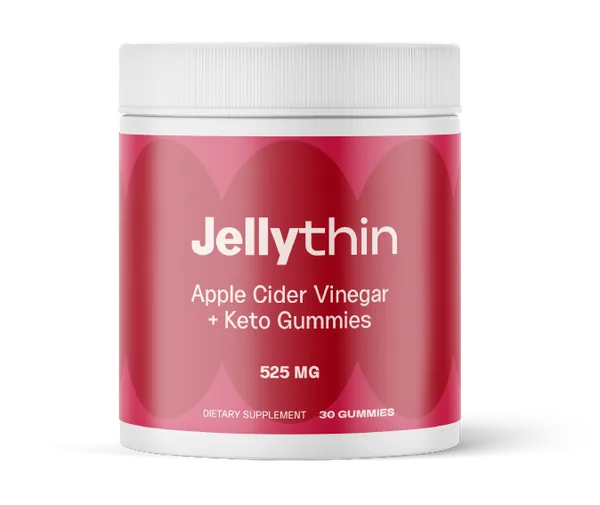
JellyThin
ACV + BHB jelly sticks. Simple formula, honest pricing, 60-day guarantee.
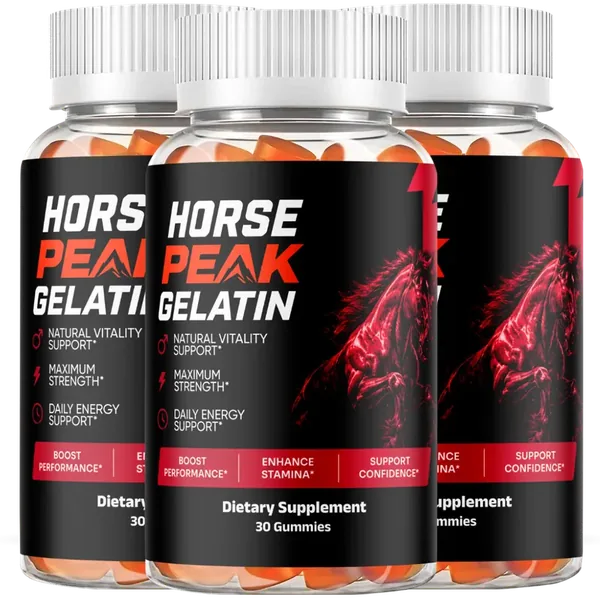
HorsePeak Gelatin
Male vitality gummies with a fully disclosed ingredient label.
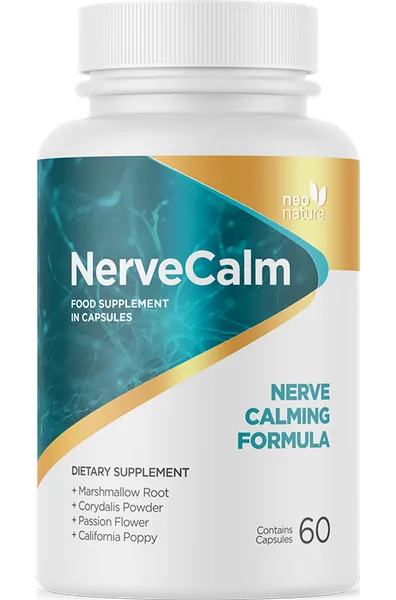
NerveCalm
Nerve health capsules with 4 disclosed blends & a 90-day guarantee.
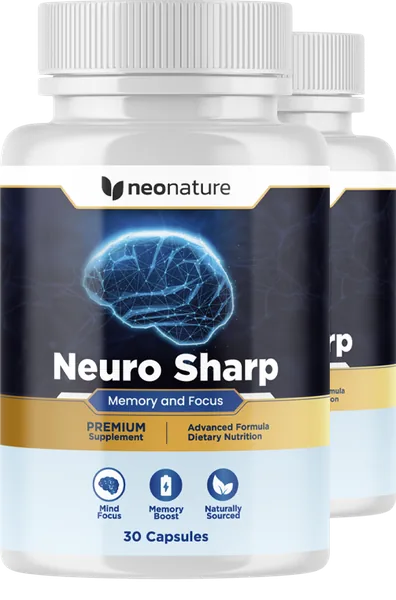
Neuro Sharp
Focus, memory & mental clarity with Ginkgo, Bacopa & Huperzine-A.
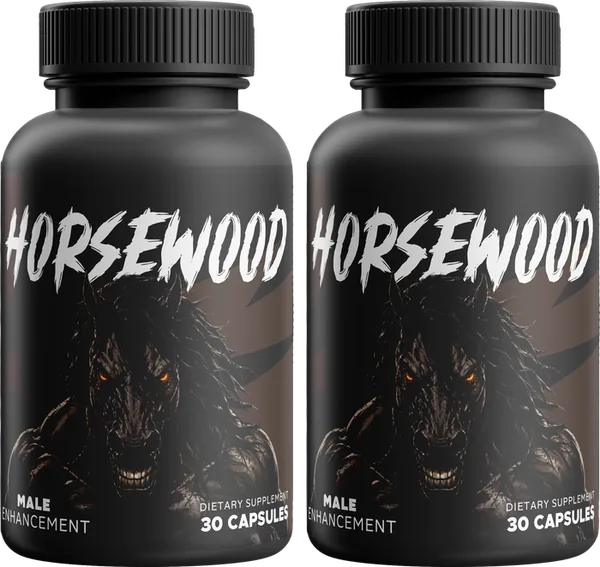
HorseWood
Male vitality capsules with 9 named botanicals, 1 capsule daily.