Tongkat Ali Review: What the Evidence Actually Says
One of the most popular male-vitality herbs in the world — and one of the most oversold. Here is what human trials show, what they do not, and how to buy smart.
Tongkat ali may support energy, mood, and testosterone in some men with low or borderline levels, but the evidence is mixed and modest, not decisive. Human trials show small improvements in some studies and no effect in others. It is best viewed as a traditional vitality herb with real but limited research, not a proven testosterone treatment.
A tongkat ali review has to start with a warning about the hype. Search for this herb and you will find claims that it doubles testosterone, rebuilds muscle overnight, and transforms energy in days. None of that is supported by the evidence. What the evidence does support is more modest — and more interesting, if you set expectations honestly.
Tongkat ali (Eurycoma longifolia), also known as Longjack, is a Southeast Asian herb with a long history of traditional use for male vitality, energy, and stamina. It is the single most common ingredient in male vitality supplements, and it appears in two of the products we review: HorsePeak Gelatin and HorseWood. Both contain Tongkat Ali / Longjack as part of a broader formula. This article reviews the ingredient itself — what it is, what human trials show, what doses researchers studied, what side effects to watch for, and how to pick a product that is honest about what is inside.
Tongkat Ali Review: What Is It?
Tongkat ali is the root of Eurycoma longifolia, a shrub native to Southeast Asia. In traditional Malaysian and Indonesian practice, the root was brewed as a tonic for energy, vitality, and male health. That traditional use is the reason the herb became popular worldwide — and the reason modern researchers started testing it in human trials.
In supplements today, tongkat ali appears in two main forms: plain root powder and standardized extract. The distinction matters a great deal. Root powder is simply dried, ground root — its active compound content varies. A standardized extract is processed to contain a consistent level of active compounds, which is why clinical trials almost always use standardized extracts. When you shop, "standardized extract" on the label is a meaningful quality signal; plain "tongkat ali root powder" with no standardization is weaker evidence of quality.
Tongkat ali is also sold under the name Longjack — the two names refer to the same herb. If a product lists "Longjack (Tongkat Ali)" or "Tongkat Ali (Longjack)," it is naming one ingredient, not two. Our HorseWood review lists it as Longjack (Tongkat Ali), and our HorsePeak Gelatin review lists it as Tongkat Ali. Same herb, same role: traditional vitality support inside a broader formula.
Tongkat Ali Review: What Do Human Trials Show?
This is the section that matters most, and it deserves careful language. Human trials on tongkat ali exist — this is not an herb with zero research — but the trials are generally small, short, and mixed. Here is what they suggest, area by area.
Testosterone
The most-studied question is whether tongkat ali raises testosterone. Some trials in men with low or borderline testosterone have reported small increases after several weeks of supplementation. Other trials, including some in men with normal testosterone levels, found little or no change. The pattern that emerges is consistent with a modest effect that shows up most clearly in men who start low, and a weak or absent effect in men who start in the normal range.
That pattern matters for expectations. If your testosterone is already normal, tongkat ali is unlikely to push it meaningfully higher — and "higher" is not automatically better. If your levels are low, the honest next step is a doctor and proper testing, not a supplement. Tongkat ali is not a proven testosterone treatment, and it should never be treated as a substitute for medical evaluation of low testosterone.
Energy, Mood, and Stress
Several trials have looked at tongkat ali for energy, mood, and stress markers. Some studies reported improvements in self-rated energy, mood, and well-being, and at least one trial reported reductions in cortisol, a stress hormone, alongside improved mood scores. These findings are encouraging but preliminary: the studies were small, and self-reported mood and energy are among the easiest outcomes to influence by expectation alone. The fair summary is that tongkat ali shows some supportive signals for energy and stress, but the evidence is not strong enough to promise results.
Libido and Vitality
Traditional use centers on libido and vitality, and some trials have reported improvements in libido-related scores. Again, the evidence is modest and mixed rather than decisive. Libido is influenced by sleep, stress, relationship factors, medication, and general health — no single herb overrides all of that. A tongkat ali product may support vitality as part of a broader healthy routine, but it is not a reliable fix for libido problems, and persistent issues deserve a medical conversation.
Muscle and Physical Performance
A small number of trials have examined tongkat ali alongside exercise, with mixed results on strength and body composition. The honest reading is that tongkat ali is not a muscle-building supplement. Resistance training, adequate protein, and consistent sleep drive muscle outcomes. Any contribution from tongkat ali in this area is likely small and secondary.
| Area Studied | What Trials Suggest | Strength of Evidence |
|---|---|---|
| Testosterone (low/borderline levels) | Small increases in some trials; little or no effect in others. | Mixed / modest |
| Testosterone (normal levels) | Little or no meaningful change in most trials. | Weak |
| Energy, mood, stress | Some improvements in self-reported energy and mood; one trial noted lower cortisol. | Preliminary / modest |
| Libido and vitality | Some improvements in libido scores in small trials. | Modest / mixed |
| Muscle and performance | Mixed results; no strong muscle-building effect shown. | Weak |
Tongkat Ali Review: Dosage Ranges Used in Studies
Dosage is where many tongkat ali articles go wrong, either by giving a specific recommendation or by ignoring the question entirely. Here is what we can say accurately: human trials commonly used 200–400mg per day of standardized extract. Those are studied ranges — not a recommendation, and not necessarily the dose in any specific product.
That distinction is critical. A product's actual dose depends on its own formula, extract strength, and serving size. Neither HorsePeak Gelatin nor HorseWood discloses a specific tongkat ali dose on its vendor page, and this article does not claim that either product contains any particular dose. Do not assume a product matches the studied range just because it contains the ingredient. If dose matters to you — and it should — the only reliable source is the label of the product you are considering, and the only reliable advice on whether to take it is your doctor's.
A few practical dosage notes. First, more is not better with herbal supplements; higher doses increase the chance of side effects without proven extra benefit. Second, trials that showed effects typically ran for several weeks, so judging tongkat ali after a few days is premature. Third, cycling (taking breaks) is sometimes suggested by sellers, but there is no strong evidence base for a specific cycling protocol — treat such claims as marketing unless a study supports them.
Side Effects of Tongkat Ali
Reported side effects of tongkat ali are generally mild, but they are real and worth knowing before you buy. The most commonly reported effects include restlessness or irritability, difficulty sleeping (especially if taken late in the day), and mild digestive discomfort. Some users report feeling overstimulated or "wired" — which may be related to dose, timing, or individual sensitivity.
Long-term safety data is limited. Most trials ran for weeks to a few months, not years. That gap matters: an herb that is fine for eight weeks is not automatically proven safe for year-round use. If you try tongkat ali, pay attention to sleep, mood, and digestion in the first two weeks, and stop if you notice persistent irritability, insomnia, or stomach problems.
This article is not medical advice. Talk to your doctor before starting tongkat ali, especially if you take medication, have a hormone-sensitive condition, or have heart, liver, or kidney concerns. People who take medication for blood pressure, heart conditions, or erectile dysfunction should be especially careful with vitality supplements, since ingredients that affect blood flow can interact with those medications.
Who Should Avoid Tongkat Ali?
Tongkat ali is not for everyone. The following groups should avoid it unless a doctor explicitly approves it:
- People who are pregnant or nursing. There is no safety data for these groups, and the risk is not worth taking.
- People with hormone-sensitive conditions. This includes hormone-sensitive cancers and conditions affected by testosterone or estrogen. Do not experiment here.
- People taking hormone-related medication. Tongkat ali may interact with hormone therapies or medications that affect hormone levels.
- People with serious medical conditions. Heart, liver, kidney, or prostate conditions warrant a medical conversation first, not a supplement trial.
- Anyone under 18. Vitality supplements are adult products. Teenagers should not use testosterone-oriented herbs.
- Anyone seeking treatment for low testosterone or erectile dysfunction. These are medical conditions. A supplement is not a substitute for diagnosis and treatment.
If any of these apply to you, the right move is a doctor's appointment, not a product page. A good doctor can order proper testing and explain options that are actually proven for your situation.
How to Pick a Tongkat Ali Product
The tongkat ali market is crowded with products that hide more than they disclose. Use this checklist — drawn from our guide on what to look for in a supplement — to separate honest products from marketing.
| What to Check | Good Sign | Red Flag |
|---|---|---|
| Extract type | "Standardized extract" with a stated standardization. | Only "root powder" with no standardization. |
| Dose disclosure | Exact mg per serving printed on the label. | Hidden inside a "proprietary blend" with no dose. |
| Ingredient list | Every ingredient named. | Hidden blends or undisclosed fillers. |
| Testing | Third-party testing claims you can verify. | No testing mention at all. |
| Claims | Measured language: "may support," "traditionally used." | "Doubles testosterone," "guaranteed results." |
| Guarantee | Clear money-back guarantee with terms. | No guarantee, or a guarantee with hidden conditions. |
One more check that catches a lot of fakes: search for a distinctive sentence from the product's marketing in quotes. If the same text appears on many sites with only the product name swapped, you are looking at a content farm, not a real review — see our guide on how to spot fake supplement reviews for the full red-flag list.
Tongkat Ali in HorsePeak Gelatin and HorseWood
Since tongkat ali is the ingredient that draws many buyers to these two products, here is how it fits into each formula. Both products are male vitality supplements — not weight-loss products — and both use tongkat ali as one ingredient among several, not as a standalone high-dose extract.
HorsePeak Gelatin (rated 4.3/5) is a gummy formula built around Tongkat Ali, Maca, L-Arginine, Epimedium, Ashwagandha, Beet Root, and Grape Seed, with a fully disclosed ingredient label. The gummy format is the main differentiator: an easy daily habit with no pills to swallow. It ships within the US, with pricing from about $39 per jar on the 6-jar pack.
HorseWood (rated 4.2/5) is a capsule formula with nine named botanicals, including Longjack (Tongkat Ali), Muira Puama, Maca, L-Arginine, Pumpkin Seed, Oat Straw, Sarsaparilla, Boron, and Nettle, taken as one capsule daily. Its main differentiators are the broader botanical blend and the one-capsule dosing. It ships to the US, Canada, Australia, UK, and New Zealand, with pricing from about $49 per bottle on the 6-bottle pack and a 60-day guarantee.
Neither product discloses a specific tongkat ali dose, and we do not claim that either one matches the 200–400mg/day studied range. Judge each product on its full formula, its transparency, its price, and its guarantee — not on the presence of one ingredient alone. Our full reviews cover the pros, cons, pricing, and safety notes for each.
The Bottom Line
Tongkat ali is a legitimate traditional herb with real but limited research — not the testosterone miracle its marketing claims, and not a useless placebo either. The honest position is in the middle: modest, mixed evidence for testosterone support (mainly in men starting low), some supportive signals for energy and mood, and a reasonable safety profile for short-term use in healthy adults who get medical clearance first.
If you decide to try a tongkat ali product, buy on transparency: a standardized extract, a disclosed dose, a named ingredient list, and a real guarantee. And keep expectations honest — the herb supports a routine; it does not replace medical care, sleep, exercise, or a doctor's guidance. Read our full HorsePeak Gelatin review or HorseWood review if you want to compare the two products that feature this ingredient.
FAQ
What is tongkat ali?
Tongkat ali (Eurycoma longifolia), also called Longjack, is a Southeast Asian herb with a long history of traditional use for male vitality, energy, and stamina. It is one of the most common ingredients in male vitality supplements.
Does tongkat ali increase testosterone?
Some human trials have shown small increases in testosterone, particularly in men with low or borderline levels, while other studies found little or no effect. The evidence is mixed and modest — tongkat ali is not a proven testosterone treatment.
What dosage of tongkat ali was used in studies?
Human trials commonly used 200–400mg per day of standardized extract. These are studied ranges, not a recommendation, and not necessarily the dose in any specific product. Always follow the label of the product you buy and talk to your doctor.
What are the side effects of tongkat ali?
Reported side effects are generally mild and may include restlessness, irritability, insomnia, or digestive discomfort. Long-term safety data is limited. This article is not medical advice — talk to your doctor before starting, especially if you take medication or have a medical condition.
Who should avoid tongkat ali?
People who are pregnant or nursing, people with hormone-sensitive conditions, people taking hormone-related medication, and anyone with a serious medical condition should avoid tongkat ali unless their doctor approves it. Do not use it as a substitute for medical treatment.
How long does tongkat ali take to work?
There is no proven timeline. Trials that showed effects typically ran for several weeks. If you try tongkat ali, judge it after several weeks of consistent use — not after a few days — and stop if you notice unwanted effects.
What should I look for in a tongkat ali product?
Look for a standardized extract, a disclosed dose on the label, a named form of the herb, no proprietary-blend hiding, third-party testing claims you can check, and a clear guarantee. Avoid products that hide doses or promise dramatic testosterone gains.
🔥 Related Reviews
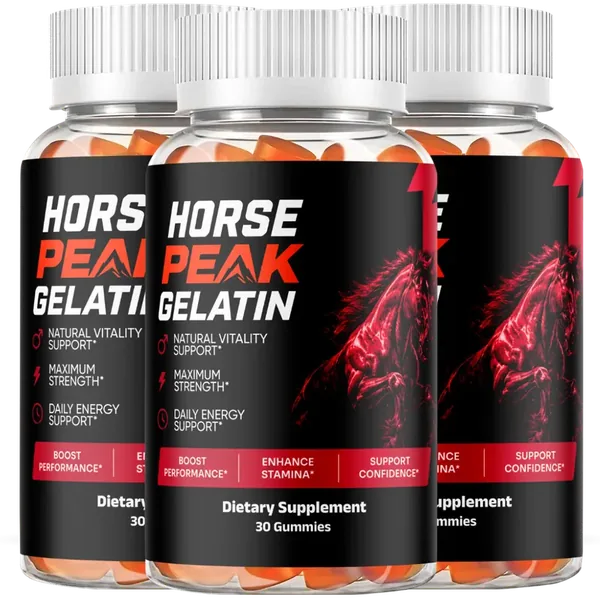
HorsePeak Gelatin
Male vitality gummies with a fully disclosed ingredient label.
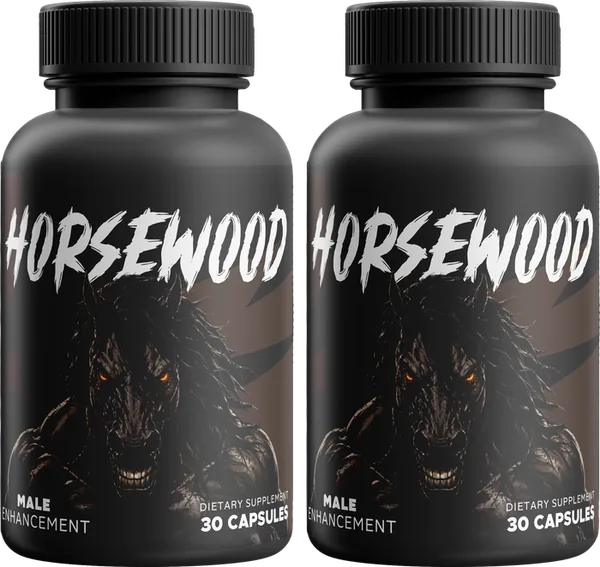
HorseWood
Male vitality capsules with 9 named botanicals, 1 capsule daily.