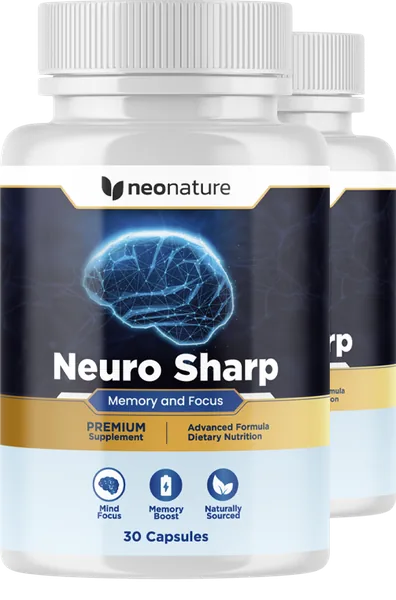
Neuro Sharp Review 2027
Brain and memory support built around Ginkgo, Bacopa, and Huperzine-A — three of the most-studied nootropic ingredients. Clear pricing and a 90-day guarantee.
Our Verdict: 4.1/5 — Recommended with caveats. Neuro Sharp picks three genuinely well-studied nootropic ingredients and pairs them with clear bundle pricing and a 90-day guarantee. It loses points because per-ingredient doses aren't disclosed, and the vendor page's guarantee text oddly mentions "nerve health" — sloppy templated copy that makes us question how much care went into the page.
On this page
What Is Neuro Sharp?How Is It Supposed to Work?IngredientsWho Should / Should Not Take ItHow to Use for Best ResultsNeuro Sharp vs Other OptionsPros & ConsSide Effects & SafetyPricingFAQWhat Is Neuro Sharp?
Neuro Sharp is a brain and memory supplement in capsule form. According to the vendor, it is "a premium cognitive enhancement formula" designed to support mental clarity, focus, and memory — using what the vendor calls a unique blend of clinically-studied ingredients.
The vendor recommends daily use as part of a regular wellness routine, with the most significant benefits coming from consistent use over 3–6 months. The product is sold through the vendor's own website, and the offer listing covers the US, Canada, Australia, UK, and Ireland.
"Nootropic" is a word that gets thrown around loosely, so it is worth defining. In its broad sense, a nootropic is any substance taken with the aim of supporting cognitive function — memory, focus, learning, mental clarity, or processing speed. That umbrella covers everything from caffeine to prescription medicines to herbal extracts. Neuro Sharp sits in the herbal corner of that umbrella: three plant-derived ingredients with published research behind them individually, combined into one daily capsule. It is not a prescription cognitive drug, it is not a stimulant in the caffeine sense, and it is not a treatment for memory loss, dementia, Alzheimer's disease, ADHD, or any diagnosed cognitive condition. Anyone selling a supplement as a treatment for those conditions is misrepresenting what supplements are.
The honest use case for a product like this one is narrower and more ordinary: an adult who feels mentally foggy, who loses names and details more often than they would like, who struggles to stay focused through long work or study sessions, and who wants to try a daily herbal formula alongside the habits that actually drive cognitive performance — sleep, exercise, and focused work. That is a real and legitimate use case. It is also a use case where expectations need managing, because the effects of herbal nootropics in healthy adults tend to be modest, gradual, and hard to separate from placebo, sleep changes, and practice effects. A person who starts Bacopa and simultaneously starts sleeping eight hours a night will feel sharper — and most of that improvement will be the sleep.
That is the lens we use for this review. We judge Neuro Sharp on whether its ingredients make sense for cognitive support, whether the doses can be checked against the research, whether the vendor page is honest about what it is selling, and whether the pricing and guarantee are fair. The ingredient picks are genuinely strong — these three are among the most-researched nootropic ingredients available, which is why this product scores above 4 despite its flaws. The dose transparency is the problem: without per-ingredient doses, a buyer cannot verify whether each ingredient is present at a research-backed amount or merely present on the label. And the vendor page's guarantee text, which oddly mentions "nerve health" for a brain product, is sloppy templated copy that costs the product trust. If you want a framework for judging any supplement label before you buy, read our guide on what to look for in a supplement.
One more scope note. Cognitive symptoms have many possible causes — poor sleep, stress, thyroid problems, vitamin B12 deficiency, depression, medication side effects, sleep apnoea, and neurological conditions among them. A supplement does not diagnose or address any of those causes. If memory problems are new, worsening, or interfering with daily life — getting lost in familiar places, repeating questions, struggling with familiar tasks — see a doctor promptly rather than starting a supplement and waiting. That advice applies to every product in this category, including this one.
How Is Neuro Sharp Supposed to Work?
The formula targets cognitive support through three angles, based on the vendor's description and the ingredient profile:
- Memory support — Bacopa Monnieri and Huperzine-A are the best-studied ingredients here for memory and recall.
- Focus & mental clarity — Ginkgo Biloba is traditionally linked to circulation and alertness, and the vendor positions the blend for sharper daily focus.
- Long-term brain health — the formula's antioxidant and neuroprotective ingredients are framed as supporting brain health over months of consistent use.
Our honest take: the ingredient choices are solid — these three are among the most-researched nootropics available. The vendor says most users notice improvements in 2–3 weeks. But without disclosed doses, we can't tell whether each ingredient is present at a research-backed amount or just a token sprinkle. That's the main gap in this product's transparency, and the reason for the 4.1 rather than a higher score.
To understand what the formula is trying to do, it helps to know a little about how memory and focus work at the level of brain chemistry. Memory formation depends heavily on a neurotransmitter called acetylcholine: brain cells release it to pass signals involved in attention, learning, and recall, and an enzyme called acetylcholinesterase then breaks it down to end the signal. Focus depends on sustained blood flow and oxygen delivery to the brain, on the balance of several neurotransmitters, and — less glamorously — on how well-rested and unstressed you are. A nootropic formula can plausibly aim at any of these levers: supporting acetylcholine signalling, supporting cerebral circulation, or protecting brain cells from oxidative stress over time. Neuro Sharp's three ingredients map onto those levers fairly neatly, which is one reason the formula reads as coherent rather than random.
Huperzine-A is the most targeted of the three. It is a compound isolated from Chinese club moss that acts as an acetylcholinesterase inhibitor — it slows the enzyme that breaks acetylcholine down, which leaves more acetylcholine available in the gaps between brain cells for longer. That is the same general mechanism used by several prescription medicines for Alzheimer's disease, at much higher potency and under medical supervision. The supplement version is far weaker and is not a treatment for dementia, but the mechanism is real and well understood, and it is the clearest "how it works" story of the three ingredients.
Bacopa Monnieri works differently and more slowly. It is an Ayurvedic herb traditionally used for memory and learning, and its active compounds (bacosides) are believed to support the growth and branching of neurons, protect brain cells from oxidative damage, and modulate neurotransmitter activity. In the clinical literature, Bacopa is notable for a consistent pattern: it does not seem to produce a quick jolt of focus, but repeated studies have found modest improvements in memory recall and learning after 8–12 weeks of daily use. That slow-build profile is important for expectations — a person who takes Bacopa for a week and feels nothing has not tested the ingredient at all.
Ginkgo Biloba is the third lever: circulation and antioxidant protection. Ginkgo leaf extract is believed to improve blood flow by making blood slightly less viscous and blood vessels slightly more flexible, and its flavonoid and terpenoid compounds act as antioxidants. The theory is that better cerebral blood flow means better oxygen and nutrient delivery to brain tissue, which supports alertness and mental clarity. The evidence for Ginkgo in healthy adults is mixed — some trials find small benefits, several large trials have found little or nothing — and we say so plainly in the ingredient section below. But as a general brain-health ingredient with a long safety record at standard doses, its inclusion is defensible.
Put together, the formula's logic is: Huperzine-A for the signalling lever, Bacopa for the memory-consolidation lever, Ginkgo for the circulation and protection lever. That is a sensible three-lever design, and it is better than the common alternative in this category — a long list of trendy ingredients at unknown doses with no coherent mechanism. The caveat, repeated because it is the whole ballgame, is dose: a mechanism only works if the ingredient is present in a meaningful amount, and the vendor page does not disclose the amount of any of the three. A formula can have the right levers and still fail if the doses are token amounts. That is why our rating is "recommended with caveats" rather than an unqualified recommendation, and why the ingredient sections below spend as much time on studied doses as on mechanisms. Our guide on how we test and rate supplements explains how we weigh dose transparency against ingredient quality when we score products.
Finally, a note on the vendor's "2–3 weeks" claim. That timeline is plausible for Huperzine-A, which acts on an enzyme and can produce noticeable effects relatively quickly, and for Ginkgo, where circulation effects are not slow. It is not consistent with the Bacopa literature, where benefits typically emerge after 8–12 weeks. The honest expectation is therefore mixed: some people may notice a change in focus or clarity within a few weeks, while the memory-support component may take two to three months to judge fairly. The vendor's own recommendation of 3–6 months of consistent use is, in that light, the more honest timeline — and it is the timeline a buyer should use when deciding whether the 90-day guarantee window has been used fairly.
What's Inside Neuro Sharp?
| Ingredient | Traditional / Known Role |
|---|---|
| Ginkgo Biloba | One of the most-studied herbs for memory and circulation; widely researched for cognitive support. |
| Bacopa Monnieri | Ayurvedic herb with published research on memory, learning, and focus. |
| Huperzine-A | Compound from Chinese club moss; studied for memory enhancement and acetylcholine support. |
The vendor's reference list also cites research on L-Glutamine, Phosphatidylserine, St. John's Wort, N-Acetyl-L-Carnitine, and Alpha-GPC — but these are not confirmed as label ingredients on the vendor page we reviewed. We list only what the vendor names as formula ingredients. Doses for the three named ingredients are not disclosed.
The table above is the summary. The sections below go ingredient by ingredient: what each one is, what the published research actually says, and how the dose in Neuro Sharp compares with the dose used in studies. That last comparison is where this product's transparency stops. Because per-ingredient doses are not disclosed, we cannot confirm that any single ingredient is present at a studied amount. The research below describes what each ingredient has shown when studied on its own, at a known dose, not what Neuro Sharp itself has been shown to do. The distinction matters, and honest reviews keep it visible.
Ginkgo Biloba
Ginkgo Biloba is one of the most widely studied herbal ingredients in the world. It comes from the leaves of the ginkgo tree, a species that has existed for hundreds of millions of years, and its standardised extract — usually referred to as EGb 761 in the research literature — contains concentrated flavonoids and terpenoids. In traditional Chinese medicine, ginkgo leaf and seed have been used for centuries; in modern research, the extract has been studied for memory, circulation, vertigo, tinnitus, and age-related cognitive decline, with hundreds of published trials and reviews behind it.
The honest evidence summary is: well-studied, mixed results. That combination surprises people, but it is the accurate picture. Several smaller trials and meta-analyses have found modest benefits for memory and cognitive function, particularly in older adults with existing cognitive impairment. But the largest and most rigorous trials in healthy adults — including a well-known multi-year trial involving more than 3,000 older adults — found no meaningful prevention of cognitive decline. The fair reading is that Ginkgo is not a reliable cognitive enhancer for healthy adults, but it may offer small benefits for some people, and its antioxidant and circulation-supporting properties are reasonably established. It is a defensible ingredient in a brain formula, not a proven one.
On dose: the most commonly studied dose of standardised ginkgo extract is 120–240mg per day, typically split into two doses, using an extract standardised to 24% flavone glycosides and 6% terpene lactones. Neuro Sharp does not disclose its Ginkgo dose, so we cannot tell whether it is near that studied range, well below it, or — less likely — above it. The vendor page also does not state whether the extract is standardised, which matters because unstandardised ginkgo leaf powder and standardised extract are very different products at the same milligram weight. If Ginkgo is the ingredient that drew you to this product, that missing number is a real gap.
Bacopa Monnieri
Bacopa Monnieri, also called Brahmi, is a creeping herb used in Ayurvedic medicine for centuries as a memory and learning tonic. Its active compounds are a group of saponins called bacosides, which are believed to support the growth of dendrites (the branching structures brain cells use to communicate), protect neurons from oxidative stress, and modulate the activity of acetylcholine, serotonin, and dopamine signalling. In practical terms, it is the ingredient in this formula with the most consistent human evidence for memory specifically.
The evidence summary is: well-studied, modest but real effects. Multiple randomised controlled trials and several meta-analyses have found that daily Bacopa supplementation improves memory recall — particularly delayed recall — and, in some studies, learning rate and attention, compared with placebo. The effects are not dramatic: nobody in these trials suddenly developed a photographic memory. But the signal is unusually consistent across studies, which is more than can be said for most nootropic ingredients. The consistent caveat across the literature is time: benefits typically emerge after 8–12 weeks of daily use, not days. Short trials often show nothing, which is exactly what you would expect from an ingredient that works by supporting neuronal structure rather than by stimulating the nervous system.
On dose: the most commonly studied dose is 300mg per day of an extract standardised to around 50% bacosides (equivalent to roughly 150mg of bacosides), taken daily for at least 12 weeks. Some trials use 450mg. Neuro Sharp does not disclose its Bacopa dose or its standardisation, so we cannot compare it with the studied dose. This is the most frustrating gap on the label, because Bacopa is the ingredient where dose and duration matter most: a token amount for three weeks is not a fair test of an ingredient that needs a studied dose for twelve weeks.
Huperzine-A
Huperzine-A is a naturally occurring alkaloid isolated from Chinese club moss (Huperzia serrata), a plant used in traditional Chinese medicine for fever, inflammation, and memory. It is the most pharmacologically direct ingredient in this formula: it inhibits acetylcholinesterase, the enzyme that breaks down acetylcholine, thereby increasing the availability of acetylcholine in the brain. Because acetylcholine is central to attention, learning, and memory, this mechanism has been studied extensively — and it is the same general mechanism used by prescription medicines for Alzheimer's disease, though those medicines are far more potent and are used under medical supervision.
The evidence summary is: well-studied mechanism, moderate human evidence. Small-to-medium trials, mostly conducted in China, have found that Huperzine-A can improve memory and cognitive scores in people with Alzheimer's disease and vascular dementia. The evidence in healthy adults is thinner: there are small studies suggesting improvements in memory and learning, but the trial base is small and the long-term picture is less clear. One practical point that matters for daily use: because Huperzine-A has a long half-life in the body (it stays active for many hours), researchers have often studied it in cycles — for example, several weeks on followed by a break — rather than as an uninterrupted daily dose. The vendor page does not mention cycling, and we flag that as a question a buyer may want to raise with their doctor.
On dose: the most commonly studied dose is 50–200 micrograms (mcg) per day — note micrograms, not milligrams; Huperzine-A is active at very small amounts. Neuro Sharp does not disclose its Huperzine-A dose, so we cannot tell whether it is in the studied range. Because the effective window is narrow and the compound is potent, the missing dose matters more here than for the other two ingredients: too little may do nothing, and too much increases the chance of cholinergic side effects such as nausea, sweating, muscle twitching, or vivid dreams. This is the ingredient where dose transparency would have added the most value to the label.
Ingredients That Are NOT Confirmed — Read This Before You Believe Another Review
The vendor's reference list cites research on five additional compounds: L-Glutamine, Phosphatidylserine, St. John's Wort, N-Acetyl-L-Carnitine, and Alpha-GPC. It is important to be precise about what that means. A reference list is a bibliography — a list of papers the vendor is pointing to. It is not an ingredient list. On the vendor page we reviewed, these five compounds are not confirmed as label ingredients in Neuro Sharp. We do not present them as ingredients, and you should be sceptical of any review that does.
Why does this matter? Because each of those five is a genuinely interesting compound, and a review that lists them as ingredients would make the formula look much deeper than it is. Phosphatidylserine, for example, is a phospholipid with real research behind it for memory support. Alpha-GPC is a choline donor studied for acetylcholine support. St. John's Wort is a well-known herbal antidepressant with significant drug interactions. If any of them were actually in the capsule, it would change both the expected effects and the safety picture — St. John's Wort in particular interacts with a long list of prescription medicines. As it stands, the responsible reading is that the vendor's page cites research broadly and labels narrowly, and the narrow label — three named ingredients — is what we review. If the vendor updates the label to confirm any of these compounds, the review should be updated too. Until then, treat any claim that Neuro Sharp "contains Alpha-GPC" or "contains Phosphatidylserine" as unverified.
Stepping back: the three confirmed ingredients are a coherent, well-chosen trio with complementary mechanisms and a real research base. That is why this product scores above 4. The missing doses are why it does not score higher. A buyer who wants a fully checkable nootropic label should look for products that disclose each ingredient's dose and standardisation — and should judge this one with the understanding that its label does not allow that check.
Who Should / Should Not Take It
Neuro Sharp is best suited to a fairly specific buyer: a healthy adult who wants a daily herbal formula to support focus and memory, who understands that the realistic goal is modest, gradual support rather than a dramatic cognitive upgrade, and who is willing to give it a structured trial of several months. It may be a particularly reasonable fit if you do long focused work — studying, writing, programming, analysis — and want a non-stimulant adjunct to your routine, or if you are an older adult noticing mild everyday forgetfulness and want to try a well-known herbal trio before considering anything stronger. It is also a reasonable fit if you prefer a short, recognisable ingredient list over a kitchen-sink formula with twenty unpronounceable compounds.
It is not the right product for several groups. Do not use Neuro Sharp as a treatment for memory loss, dementia, Alzheimer's disease, ADHD, or any diagnosed cognitive condition — those conditions need medical evaluation, and a supplement is not a substitute for it. Do not start it if you are pregnant or breastfeeding, or if you are scheduled for surgery, without talking to your doctor first — Ginkgo in particular affects blood clotting and is routinely flagged before surgery. Do not use it if you are allergic to any of the listed ingredients. And do not buy it expecting a fast or dramatic result: anyone promising that a supplement will make you "limitless" is selling marketing, not neuroscience.
People taking blood thinners, blood-pressure medication, antidepressants, anti-anxiety medication, or seizure medication should treat this product as "ask first, not try and see." Ginkgo can interact with blood thinners and with some antidepressants; Huperzine-A can interact with medicines that affect acetylcholine; and the unconfirmed status of the five reference-list compounds (including St. John's Wort) means a buyer cannot rule out additional interactions from the label alone. A pharmacist can often answer an interaction question faster than a doctor's appointment, and that conversation costs nothing. If your doctor or pharmacist says no, that answer overrides anything on this page.
Students deserve a specific note. Nootropic marketing is heavily aimed at students, and the temptation to use a supplement as a substitute for sleep before an exam is strong. It is also backwards: the single biggest lever on exam performance is sleep, and no capsule compensates for an all-nighter. If you are a student considering this product, treat it as a long-term daily habit during a normal term — not as a cram-week fix — and keep your sleep, exercise, and study routine as the main event.
How to Use for Best Results
The vendor recommends daily use as part of a regular wellness routine, with the most significant benefits coming from consistent use over 3–6 months. The vendor page does not prominently state a serving size — that is one of the transparency gaps we flag in the cons — so follow the label on the vendor page exactly, and if the label and a review ever disagree, the label wins. Do not exceed the recommended dose in the hope of faster results; with Huperzine-A in particular, more is not better and raises the chance of side effects.
Timing is a practical choice. Most people take nootropic capsules in the morning, with breakfast, so that any alertness or restlessness effects land during the working day rather than at bedtime. Taking them with food also reduces the chance of stomach discomfort. Pick a time you will hit every day and keep the bottle where you will see it then. If you miss a dose, the general rule for supplements is to resume with the next scheduled dose rather than doubling up; check the vendor page for its specific missed-dose guidance.
Consistency is the single biggest lever you control, and it matters more for this product than for most, because Bacopa's evidence base is built on 8–12 weeks of daily use. A fair trial means daily use for at least three months, tracked honestly. A practical approach: keep a short weekly note — a 1–10 rating for focus, a 1–10 rating for memory slips, a line on sleep quality, and a line on what you actually did that week. That log protects you from the two most common self-deception traps: crediting the supplement for an improvement that came from better sleep or a lighter workload, and concluding the supplement "didn't work" after ten inconsistent days. At the end of a fair trial, the log is your evidence, and the 90-day guarantee is there if the evidence says nothing changed.
Support the supplement with the habits that genuinely drive cognitive performance. Sleep is first: seven to nine hours for most adults, on a consistent schedule, does more for memory consolidation than any capsule. Exercise is second: regular aerobic activity is one of the best-supported interventions for brain health. Focused work habits are third: single-tasking in timed blocks, writing things down instead of relying on memory, and reducing phone interruptions will produce a bigger felt difference in a week than any nootropic will in a month. Neuro Sharp does not replace any of those. At best, it is a daily adjunct — a small, consistent input alongside the bigger inputs that actually move the needle.
One question worth raising with your doctor is cycling. Because Huperzine-A has a long half-life and acts on an enzyme system, some researchers and clinicians suggest periodic breaks rather than uninterrupted daily use. The vendor page does not mention cycling. We are not recommending a specific cycle — that is a question for your doctor, who knows your medications and health history — but it is a question worth asking, and a vendor page that does not mention it at all is a gap in guidance, not proof that cycling is unnecessary. Storage is mundane but worth one line: keep the bottle in a cool, dry place, away from direct sunlight and moisture, with the lid closed, and keep it out of reach of children and pets.
Neuro Sharp vs Other Options
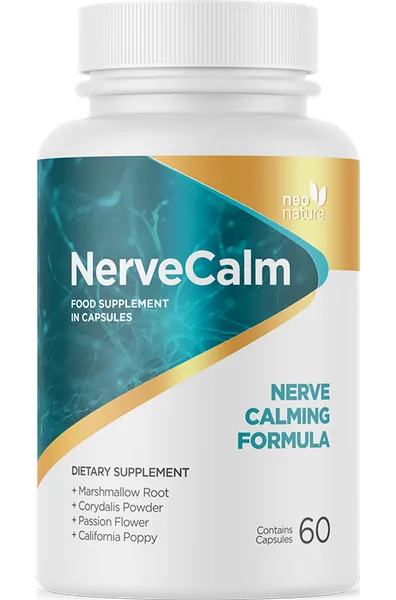
The most common buying mistake in this category is picking a supplement by its star rating instead of by its target. Neuro Sharp and NerveCalm are the easiest pair to confuse: both are capsules, both are sold by similar-looking vendor pages, both cost $49 per bottle on their 6-bottle packs, and both carry a 90-day guarantee. But they aim at different problems. Neuro Sharp targets brain function — memory, focus, and mental clarity. NerveCalm targets nerve health and nerve discomfort in the body, with a completely different ingredient set (Corydalis, prickly pear, marshmallow root, California poppy). If your problem is forgetfulness or brain fog, Neuro Sharp is the relevant product. If your problem is tingling, burning, or nerve discomfort, read our NerveCalm review instead. Buying the wrong one and concluding "supplements don't work" is a preventable error.
| Product | Targets | Key Ingredients | Dose Transparency | Guarantee | Our Rating |
|---|---|---|---|---|---|
| Neuro Sharp | Memory, focus, clarity | Ginkgo Biloba, Bacopa Monnieri, Huperzine-A | Per-ingredient doses not disclosed | 90-day | 4.1 / 5 |
| NerveCalm | Nerve health & discomfort | Corydalis, Prickly Pear, Marshmallow Root, California Poppy | Blend totals disclosed; per-ingredient doses not disclosed | 90-day | 4.2 / 5 |
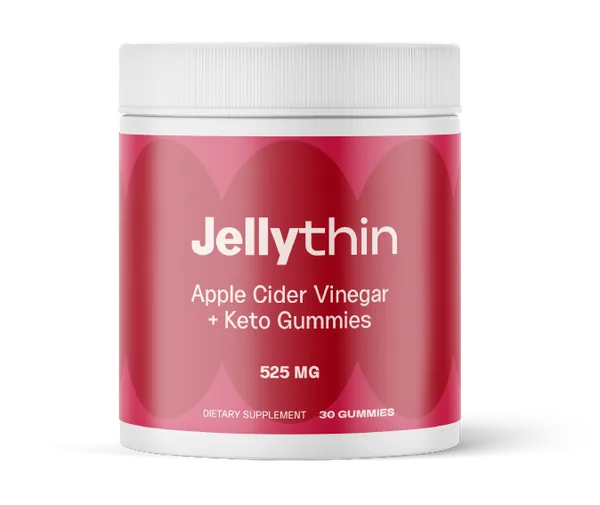
| JellyThin | Weight management | ACV + BHB jelly sticks | Simple disclosed formula | 60-day | 4.4 / 5 |
| HorsePeak Gelatin | Male vitality (gummies) | Tongkat Ali, Maca, L-Arginine, Ashwagandha, Epimedium, Beet Root, Grape Seed | Check the vendor page | Check the vendor page | 4.3 / 5 |
Beyond the products on this site, the general nootropic category offers two other shapes worth knowing about. The first is the fully disclosed single-ingredient or small-stack route: buying Bacopa or Ginkgo individually, or a small stack from a vendor that discloses each dose and standardisation. The trade-off is effort — you research each dose, buy multiple bottles, and manage the stack yourself — but the gain is verifiability, which is exactly what Neuro Sharp's label does not offer. The second is the "everything" nootropic stack: a dozen or more ingredients — racetams, choline donors, adaptogens, amino acids — at undisclosed doses behind a proprietary blend, often marketed with dramatic claims. Neuro Sharp sits between those two poles: a short, recognisable ingredient list with a coherent mechanism, but without the dose disclosure that would let you check it. What it does not offer is a prescription-strength effect, and if a vendor page ever implies otherwise, that is marketing, not evidence.
A word on caffeine-based "focus" products, since they are the most common alternative buyers actually consider. Caffeine works fast and noticeably — that is its appeal — but it is a stimulant, not a memory-support ingredient: it improves alertness and reaction time in the short term and does little for memory consolidation, and it can disrupt the sleep that memory depends on. Neuro Sharp is not a stimulant product, and comparing the two on "which one I feel more" will always favour caffeine, because feeling something is not the same as supporting memory. Judge a product like Neuro Sharp on weeks of tracked focus and recall, not on whether you feel a buzz in the first hour. Our GLPro review covers a different kind of metabolic support entirely — blood sugar and weight — and is only relevant here if blood-sugar control is part of your broader health picture, in which case your doctor's guidance matters far more than any supplement comparison.
One caution applies to the whole category: vendor pages for brain supplements are among the most hype-heavy pages in the supplement industry. Claims about dramatic IQ gains, "clinically proven" blends with no published trial, and unnamed "doctor endorsements" are marketing, not evidence. Judge every product — including this one — on its ingredient list, its dose transparency, its price per day, and its guarantee terms. Those four numbers are the comparison that actually predicts whether a purchase is sensible.
Pros & Cons
✓ What We Like
- Three well-studied nootropic ingredients, named on the page
- 90-day satisfaction guarantee
- Clear bundle pricing (down to $49/bottle)
- Free shipping on the 6-bottle pack
- Published scientific references listed on the vendor page
- Made in the USA under stated quality controls
- Coherent three-lever mechanism (signalling, memory, circulation)
- Non-stimulant formula — no caffeine-style jitters claimed
- Wide availability: US, Canada, Australia, UK, and Ireland
– What Could Be Better
- Per-ingredient doses not disclosed
- Guarantee text oddly mentions "nerve health" — sloppy templated copy
- Serving size not prominently stated on the vendor page
- No independently verified trial data for the blend
- Not a medical treatment for memory loss or cognitive decline
- Reference list may mislead buyers into thinking 5 extra compounds are ingredients
- No guidance on cycling despite Huperzine-A's long half-life
- Extract standardisation not stated for Ginkgo or Bacopa
- Only sold through the vendor's own website — no retail or pharmacy option
Side Effects & Safety
The vendor page does not publish a full side-effect list. Some people may experience mild digestive discomfort, headache, or restlessness from nootropic ingredients — Ginkgo Biloba in particular can cause mild stomach upset in some people.
Important: Ginkgo Biloba can interact with blood-thinning medication. If you take medication for blood pressure, blood thinning, mood, or any neurological condition, talk to your doctor before starting any brain supplement.
Going ingredient by ingredient, the specific cautions are these. Ginkgo Biloba: the most important interaction is with blood thinners (including warfarin and some antiplatelet drugs) and with NSAID painkillers used regularly, because Ginkgo can increase bleeding risk. It is also routinely flagged before surgery — tell your surgical team if you take it. Other reported effects include headache, dizziness, stomach upset, and allergic skin reactions in people sensitive to plants in the same family. Bacopa Monnieri: the most commonly reported side effects are digestive — nausea, stomach cramps, and increased bowel movements — and some people report dry mouth or fatigue. Taking it with food generally reduces stomach upset. Huperzine-A: because it raises acetylcholine activity, it can cause nausea, vomiting, diarrhoea, sweating, muscle twitching, restlessness, and vivid dreams, especially at higher doses. People taking medicines that affect acetylcholine — including some Alzheimer's medicines and some muscle-relaxant or bladder medicines — should not combine them with Huperzine-A without medical advice.
General rules apply on top of the ingredient-specific ones. Stop use and seek medical advice if you develop an allergic reaction — rash, itching, swelling, difficulty breathing — or if symptoms worsen or change character. Do not use this product if you are pregnant or breastfeeding unless your doctor approves. Do not use it before surgery without telling your surgical team. Keep the bottle out of reach of children. And treat any supplement that claims to be "completely side-effect free" as a red flag — every active ingredient has the potential for side effects in someone, and honest sellers say so. One more caution specific to this product: because the vendor's reference list cites St. John's Wort — a compound with significant interactions with antidepressants, birth-control pills, and many other medicines — and because St. John's Wort is not confirmed as an ingredient, a buyer cannot be fully certain from the page alone that it is absent. If you take any medication that interacts with St. John's Wort, ask the vendor for written confirmation of the full ingredient list before ordering.
For a broader framework on vetting any supplement's safety claims before you buy, read our supplement safety guide. It covers label red flags, interaction checks, and the questions to ask your doctor or pharmacist.
This page is not medical advice. Read the full label on the vendor's site and consult your doctor before starting, especially if you have a medical condition or take prescription medication.
Neuro Sharp Pricing
| Package | Total | Per Bottle |
|---|---|---|
| 2 bottles (60-day supply) | $158 + $9.99 shipping | $79 |
| 3 bottles (90-day supply) | $177 | $59 |
| 6 bottles (180-day supply) | $294 · free shipping | $49 — best value |
Prices observed on the vendor page and can change — check the vendor page for current pricing and guarantee terms. The vendor positions the 6-bottle pack as the best choice for the 3–6 months of consistent use it recommends.
On a per-day basis, the math is: about $2.80 per day for the 2-bottle pack ($167.99 for 60 days including shipping), about $1.97 per day for the 3-bottle pack ($177 for 90 days), and about $1.63 per day for the 6-bottle pack ($294 for 180 days). The 6-bottle pack is the only one that covers the vendor's own recommended 3–6 month trial with room to spare, and the 3-bottle pack covers exactly a 90-day trial. The honest counterpoint: the 6-bottle pack is a $294 commitment to a product you have not tried yet, and the 90-day guarantee is what makes that commitment reasonable rather than reckless. Read the guarantee terms on the vendor page before ordering — check whether return shipping is covered, whether empty bottles qualify, and what the claim process requires. A guarantee is only as good as its fine print, and this vendor page's guarantee copy already contains one sloppy error (the "nerve health" mention), so reading the actual terms matters more than usual here.
Our Final Verdict
4.1/5 — Recommended with caveats. Neuro Sharp's ingredient picks are genuinely strong, and the pricing and guarantee are fair. But the missing doses and the sloppy "nerve health" copy on its own guarantee page keep it from scoring higher. If you want a well-known nootropic trio at a reasonable price, it's a reasonable pick — just don't expect prescription-level results.
Neuro Sharp FAQ
What is Neuro Sharp?
Neuro Sharp is a dietary supplement in capsule form designed to support memory, focus, and mental clarity. According to the vendor, it uses a blend of clinically-studied ingredients including Ginkgo Biloba, Bacopa Monnieri, and Huperzine-A. It is taken daily as part of a regular wellness routine.
Does Neuro Sharp work?
Neuro Sharp contains ingredients with published research behind them individually — Ginkgo Biloba, Bacopa Monnieri, and Huperzine-A all have studies on cognitive support. The vendor says most users notice improvements in 2-3 weeks. Evidence for the specific blend is not published, and no supplement works the same for everyone.
How long does Neuro Sharp take to work?
The vendor says most users notice improvements in 2-3 weeks, and recommends consistent use over 3-6 months for the most significant benefits. Herbal nootropics such as Bacopa are generally studied over 8-12 weeks, so a fair trial is measured in weeks, not days.
What are the ingredients in Neuro Sharp, and are the doses disclosed?
The confirmed named ingredients are Ginkgo Biloba, Bacopa Monnieri, and Huperzine-A. Per-ingredient doses are not disclosed. The vendor's reference list also cites L-Glutamine, Phosphatidylserine, St. John's Wort, N-Acetyl-L-Carnitine, and Alpha-GPC, but these are not confirmed label ingredients, so we do not present them as ingredients.
What are the side effects of Neuro Sharp?
The vendor page does not publish a full side-effect list. Some people may experience mild digestive discomfort, headache, or restlessness from nootropic ingredients. This page is not medical advice: read the full label and talk to your doctor before starting, especially if you take medication for blood pressure, mood, or blood thinning.
Who should not take Neuro Sharp?
People who are pregnant or breastfeeding, people scheduled for surgery, and people taking blood thinners, blood-pressure medication, antidepressants, or seizure medication should talk to a doctor first. Anyone with a diagnosed cognitive condition should get medical advice rather than self-treating with a supplement.
Can I take Neuro Sharp with coffee or other stimulants?
Neuro Sharp is not marketed as a stimulant product, but caffeine and other stimulants can add to restlessness or sleep disruption in some people. If you drink a lot of coffee or use other stimulants, start with your normal routine unchanged and pay attention to sleep quality. Check the vendor page for any stimulant guidance.
What is the difference between Neuro Sharp and NerveCalm?
Neuro Sharp targets brain function — memory, focus, and mental clarity — while NerveCalm targets nerve health and nerve discomfort in the body. They use different ingredients for different jobs. Read our NerveCalm review to compare them before choosing.
How much does Neuro Sharp cost?
Pricing observed on the vendor page: 2 bottles $158 ($79 each + $9.99 shipping), 3 bottles $177 ($59 each), 6 bottles $294 ($49 each, free shipping). Prices can change, so check the vendor page for current pricing.
Where can I buy Neuro Sharp, and is there a guarantee?
Neuro Sharp is sold through the vendor's own website. Buying direct is the only way to be sure you receive the genuine product and any guarantee terms the vendor offers. The offer listing covers the US, Canada, Australia, UK, and Ireland. The vendor offers a 90-day satisfaction guarantee; check the vendor page for the current terms.
You May Also Like
Ready to Try Neuro Sharp?
Daily use · 90-day satisfaction guarantee · Free shipping on 6 bottles